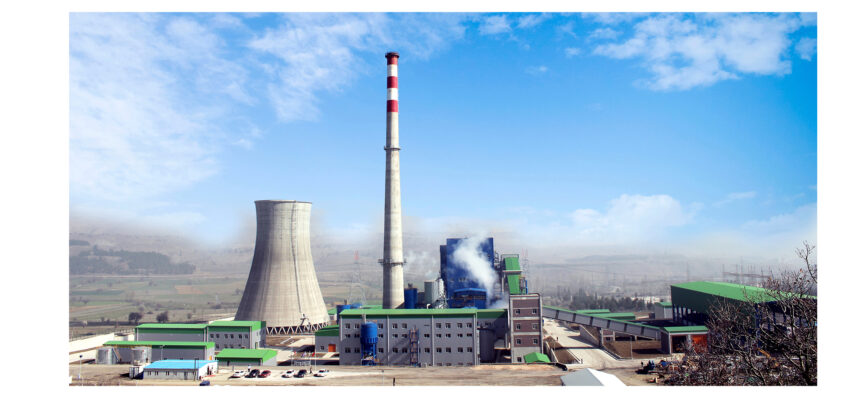
Boiler islands are the heart of many industrial and commercial facilities, managing the distribution of heat and steam throughout a building or plant. Over time, these systems can become outdated or inefficient, resulting in higher energy costs and potential safety concerns. Efficient boiler island retrofits are essential for maintaining operational efficiency, reducing environmental impact, and extending the lifespan of your equipment. This guide provides a detailed, step-by-step approach to successfully retrofitting a boiler island, focusing on safety, efficiency, and long-term benefits.
Understanding the Importance of Efficient Boiler Island Retrofits
Before beginning a retrofit, it is crucial to understand why efficient boiler island retrofits are necessary. Older boiler islands may operate below optimal efficiency due to outdated controls, worn components, or improper system design. Retrofits address these issues by modernizing the system, improving energy utilization, and minimizing downtime. Implementing a retrofit can result in significant cost savings, reduce greenhouse gas emissions, and enhance overall system reliability.
Step 1: Conduct a Comprehensive Assessment
The first step in any retrofit project is to conduct a thorough assessment of the existing boiler island. This involves:
- Evaluating the condition of boilers, pumps, valves, and heat exchangers.
- Reviewing operational data to identify inefficiencies and energy losses.
- Inspecting piping and insulation for wear, leaks, or corrosion.
- Assessing the control systems and automation for potential upgrades.
A detailed assessment allows you to identify the areas where efficient boiler island retrofits will have the greatest impact and helps prioritize actions for maximum cost-effectiveness.
Step 2: Define Goals and Retrofit Objectives
Once the assessment is complete, set clear goals for the retrofit. Objectives may include:
- Improving energy efficiency and reducing fuel consumption.
- Upgrading to modern controls for better automation and monitoring.
- Enhancing safety and compliance with current regulations.
- Minimizing maintenance and operational costs.
Having defined goals ensures that the retrofit plan aligns with your facility’s operational needs and financial targets.
Step 3: Develop a Detailed Retrofit Plan
With goals in place, the next step is to develop a detailed retrofit plan. This plan should include:
- A list of components to be replaced or upgraded.
- A timeline for each phase of the retrofit, including shutdown periods.
- Budget estimates for equipment, labor, and materials.
- Risk management strategies to address potential issues during the retrofit.
Efficient boiler island retrofits require careful planning to avoid unexpected delays or cost overruns. Detailed documentation also facilitates communication among engineers, contractors, and facility managers.
Step 4: Select Energy-Efficient Equipment
Choosing the right equipment is a key factor in ensuring the success of a retrofit. For efficient boiler island retrofits, consider:
- High-efficiency boilers that meet or exceed current energy standards.
- Variable-speed pumps to optimize flow and reduce energy consumption.
- Advanced control systems that allow precise monitoring and automation.
- Improved insulation materials for piping and boilers to minimize heat loss.
Selecting the right components not only improves performance but also reduces long-term operational costs.
Step 5: Implement the Retrofit Safely
Safety is paramount during any boiler island retrofit. Follow these best practices:
- Ensure all personnel are trained and aware of safety protocols.
- Shut down the system and depressurize all equipment before starting work.
- Use proper personal protective equipment (PPE) when handling hot surfaces or chemicals.
- Follow manufacturer guidelines for installation and calibration of new equipment.
A safe and well-coordinated implementation minimizes the risk of accidents and ensures that the retrofit proceeds smoothly.
Step 6: Upgrade Controls and Automation
Modern control systems are central to achieving efficient boiler island retrofits. Upgrading controls can include:
- Installing digital controllers that provide real-time monitoring and diagnostics.
- Integrating predictive maintenance software to detect potential issues before they cause downtime.
- Automating boiler sequencing and load management to improve efficiency.
- Implementing remote monitoring capabilities for continuous oversight.
Upgraded controls not only enhance operational efficiency but also allow facility managers to make data-driven decisions for long-term improvements.
Step 7: Test and Commission the System
After installation, it is essential to test and commission the retrofitted system thoroughly. Steps include:
- Checking for leaks, pressure drops, and temperature inconsistencies.
- Verifying that all controls and sensors are calibrated correctly.
- Conducting performance tests to ensure the system meets efficiency targets.
- Training operational staff on new procedures and safety protocols.
Proper commissioning guarantees that the retrofit delivers the expected benefits and operates reliably under normal conditions.
Step 8: Monitor Performance and Optimize
Even after a successful retrofit, ongoing monitoring is vital to maintain efficiency. Consider:
- Installing energy management software to track consumption and identify anomalies.
- Performing regular inspections and preventive maintenance on boilers, pumps, and valves.
- Continuously reviewing control system settings to optimize performance.
- Documenting lessons learned to improve future retrofits and upgrades.
Continuous monitoring ensures that the benefits of efficient boiler island retrofits are sustained over the life of the system.
Conclusion
Efficient boiler island retrofits are an investment in the future of your facility. By following a structured, step-by-step approach—from assessment and planning to implementation and monitoring—you can achieve significant energy savings, enhance safety, and improve system reliability. Upgrading to modern, energy-efficient equipment and controls not only reduces operational costs but also positions your facility for long-term sustainability. Whether you are managing a small commercial building or a large industrial plant, efficient boiler island retrofits are a strategic choice that pays dividends in performance, cost savings, and environmental responsibility.
Careful planning, the right equipment, and a commitment to ongoing optimization are the cornerstones of a successful retrofit. By following these steps, facilities can ensure their boiler islands operate efficiently, safely, and reliably for years to come.
Efficient boiler island retrofits are more than just an upgrade—they are a critical step toward energy-conscious and cost-effective operations.