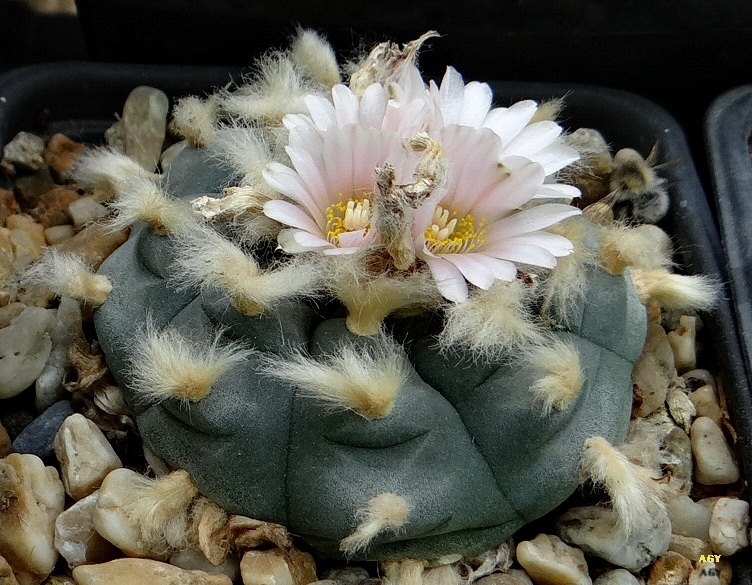
Understanding Lophophora williamsii
Lophophora williamsii, commonly known as peyote, is a small, spineless cactus native to parts of Mexico and the southwestern United States. This slow-growing plant is highly valued for its unique appearance, featuring rounded, button-like structures with subtle ribbing and soft, woolly tufts. Because San Pedro Cactus is adapted to harsh desert conditions, cultivating it successfully requires patience, attention to detail, and a clear understanding of its natural habitat.
It’s also important to note that Lophophora williamsii is subject to strict legal regulations in many countries due to its psychoactive properties. Before considering cultivation, always check local laws and ensure compliance.
Natural Habitat and Growth Conditions
In the wild, Lophophora williamsii thrives in arid regions with well-draining, mineral-rich soils and minimal rainfall. It typically grows partially buried in limestone-rich substrates, which help regulate moisture and temperature. These environmental conditions play a crucial role in guiding cultivation practices.
Replicating this habitat is key. The plant prefers warm temperatures, plenty of indirect sunlight, and low humidity. Sudden changes in environment, especially excess moisture, can stress or damage the plant.
Soil Requirements for Healthy Development
Choosing the Right Soil Mix
A well-draining soil mix is essential for Lophophora williamsii. Standard potting soil is usually too dense and retains too much water, which can lead to root rot. Instead, growers often use a mineral-heavy mix that includes components like sand, pumice, perlite, or crushed limestone.
The goal is to create a substrate that allows water to pass through quickly while still providing enough stability for the roots. A slightly alkaline pH is also beneficial, mimicking the cactus’s natural limestone environment.
Container Selection
Containers should have adequate drainage holes to prevent water accumulation. Shallow pots are often preferred since Lophophora williamsii has relatively small root systems. Clay or terracotta pots are particularly useful because they allow excess moisture to evaporate more easily than plastic containers.
Light and Temperature Needs
Providing Optimal Lighting
Lophophora williamsii requires bright but indirect sunlight. In its natural habitat, it often grows under the partial shade of shrubs or rocks. Direct, intense sunlight—especially in hotter climates—can cause sunburn or discoloration.
Indoor growers can place the plant near a bright window with filtered light. Outdoor cultivation should involve partial shading, especially during peak midday sun.
Managing Temperature Conditions
This cactus prefers warm temperatures, ideally between 20°C and 35°C (68°F to 95°F). While it can tolerate cooler conditions, prolonged exposure to cold temperatures below 10°C (50°F) may harm the plant.
During winter months, a cooler, dry resting period is beneficial. This dormancy phase helps regulate growth and prepares the plant for the next growing season.
Watering Practices
Avoiding Overwatering
One of the most common mistakes when cultivating Lophophora williamsii is overwatering. Because the plant is adapted to arid environments, it stores water efficiently and does not require frequent irrigation.
Watering should be done sparingly, allowing the soil to dry out completely between sessions. During the active growing season (spring and summer), occasional watering is sufficient. In winter, watering should be minimal or stopped entirely.
Recognizing Signs of Stress
Overwatering can lead to soft, discolored tissue and root rot, while underwatering may cause the plant to shrink slightly. Learning to recognize these signs helps maintain a proper balance.
Fertilization and Nutrient Needs
Feeding the Plant
Lophophora williamsii has modest nutrient requirements. During the growing season, a diluted cactus fertilizer can be applied occasionally. The fertilizer should be low in nitrogen to prevent excessive, unnatural growth.
Over-fertilization can damage the plant and disrupt its slow, natural development. Less is more when it comes to feeding.
Propagation Methods
Growing from Seeds
Propagation of Lophophora williamsii is most commonly done through seeds. This method requires patience, as germination can take time and growth is slow. Seeds should be placed on a well-draining substrate and kept in a warm, humid environment until they sprout.
Offsets and Clustering
Some mature plants may produce offsets, forming clusters. These can be carefully separated and replanted, though this process should be done gently to avoid damaging the plant.
Pest and Disease Management
Common Issues
Although Lophophora williamsii is relatively hardy, it can still be affected by pests such as mealybugs or fungal infections caused by excessive moisture. Maintaining proper airflow and avoiding overwatering are the best preventive measures.
Natural Prevention Techniques
Keeping the plant in clean conditions and regularly inspecting it helps catch problems early. If pests appear, mild treatments such as diluted soap solutions can be used cautiously.
Long-Term Maintenance and Growth Expectations
Patience is Essential
Lophophora williamsii is known for its extremely slow growth rate. It may take several years for the plant to reach maturity. This slow development is natural and should not be rushed with excessive watering or fertilization.
Repotting Considerations
Repotting is rarely needed and should only be done when the plant outgrows its container or the soil degrades. When repotting, ensure the roots are dry and handle them carefully to prevent damage.
Ethical and Legal Considerations
Because Lophophora williamsii is protected in many regions, ethical cultivation is important. Wild populations have declined due to overharvesting, making conservation efforts crucial. If cultivation is legal in your area, sourcing seeds or plants from reputable, sustainable suppliers is recommended.
Understanding and respecting local regulations is essential. In many places, unauthorized cultivation or possession may have legal consequences.
Conclusion
Cultivating Lophophora williamsii is a rewarding but slow and careful process that requires attention to environmental conditions, watering habits, and soil composition. By mimicking its natural desert habitat and practicing restraint in care routines, growers can maintain healthy and resilient plants over time.
Success with Lophophora williamsii ultimately comes down to patience, consistency, and respect for both the plant and the legal frameworks surrounding it.