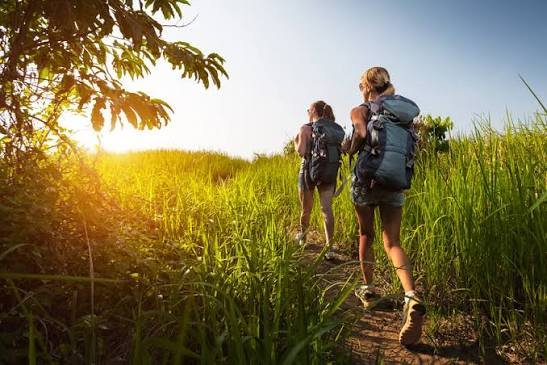
Spending time outdoors is a wonderful way to take a break from busy routines, explore natural surroundings, and enjoy meaningful experiences. Whether you prefer peaceful activities or Stephen Gleave Ancaster exciting adventures, there are countless ways to make the most of your time outside. From hiking through scenic trails to relaxing in a local park, outdoor activities can be adapted to different interests, ages, and fitness levels.
Hiking and Nature Walks
Hiking is one of the most popular outdoor activities because it allows people to explore nature while staying active. Trails can range from short, easy walks to longer routes through forests, hills, and mountains. Beginners can start with simple paths and gradually explore more challenging terrain.
Nature walks are another excellent option for people who prefer a slower pace. Walking through a park, woodland, or nature reserve provides opportunities to observe plants, trees, birds, and other wildlife. Taking a camera or notebook can make the experience even more enjoyable by encouraging you to notice interesting details along the way.
Cycling Adventures
Cycling combines exercise, exploration, and fresh air. Riders can choose from many different environments, including city bike paths, countryside roads, parks, and dedicated cycling trails. A relaxed ride through a scenic area can be just as enjoyable as a longer cycling adventure.
Before heading out, it is important to choose a suitable route and make sure your bicycle is in good condition. Wearing appropriate safety equipment and following local cycling rules can also help make the experience more comfortable and enjoyable.
Camping and Overnight Adventures
Camping offers a chance to spend extended time surrounded by nature. Setting up a tent, preparing food outdoors, and enjoying the sounds of the natural environment can create memorable experiences. Camping can be done at organized campgrounds or designated outdoor areas where permitted.
For beginners, a short overnight trip to a nearby campground can be a good starting point. Planning ahead is important. Campers should check weather conditions, understand campground rules, bring appropriate supplies, and keep food stored safely.
Fishing and Fly Fishing
Fishing is a relaxing outdoor activity that can be enjoyed around lakes, rivers, ponds, and other permitted waterways. It encourages patience and gives people an opportunity to spend quiet time near nature.
Fly fishing offers a more specialized experience, combining casting techniques with an understanding of waterways and aquatic insects. Learning basic techniques from an experienced angler or instructor can help beginners become more comfortable. Local regulations, licenses, and seasonal rules should always be followed.
Birdwatching and Wildlife Observation
Birdwatching is an excellent choice for people who enjoy nature and observation. You do not need expensive equipment to begin. A simple field guide and a pair of binoculars can help you identify different species.
Wildlife observation can also be rewarding when practiced responsibly. Animals should be viewed from a safe distance without disturbing their habitats. Visiting designated nature reserves and wildlife areas can provide excellent opportunities to see animals in their natural environments while respecting conservation guidelines.
Gardening and Outdoor Projects
Not every outdoor activity requires traveling far from home. Gardening is an accessible way to spend time outside while creating a useful and attractive environment. Growing flowers, herbs, vegetables, or native plants can provide a sense of accomplishment.
Outdoor projects can also include creating a small seating area, maintaining a garden path, planting trees, or improving a backyard space. These activities can turn ordinary outdoor areas into comfortable places for relaxation and recreation.
Kayaking and Canoeing
Water-based activities provide another exciting way to enjoy nature. Kayaking and canoeing allow participants to explore suitable lakes, calm rivers, and other approved waterways. Paddling can provide exercise while offering different perspectives of surrounding landscapes.
Beginners should learn basic water-safety practices and choose conditions appropriate for their experience level. Using properly fitted safety equipment and checking local conditions before going onto the water are important parts of responsible recreation.
Photography in Nature
Outdoor photography combines creativity with exploration. Natural landscapes, flowers, wildlife, changing skies, and seasonal scenery can all provide interesting subjects. A smartphone can be enough to get started, while more advanced photographers may enjoy experimenting with dedicated cameras and lenses.
Photography also encourages people to slow down and pay attention to their surroundings. Instead of simply walking through a location, photographers often look for interesting patterns, lighting, textures, and viewpoints.
Picnics and Outdoor Relaxation
Outdoor recreation does not always have to involve strenuous activity. A simple picnic can be a relaxing way to spend time with family or friends. Parks, beaches, gardens, and designated picnic areas can provide comfortable settings for enjoying food and conversation.
Reading a book, listening to music, drawing, or simply sitting outdoors can also provide a welcome break from screens and daily responsibilities. These quieter activities can be particularly enjoyable on pleasant days.
Rock Climbing and Adventure Activities
For those seeking a greater challenge, outdoor adventure activities can provide exciting experiences. Rock climbing, for example, can develop physical coordination, problem-solving skills, and concentration. Beginners should learn from qualified instructors and use appropriate safety systems at established climbing locations.
Other adventure activities may include trail running, mountain biking, or organized outdoor courses. The right activity depends on individual experience, local conditions, and available facilities.
Swimming and Beach Activities
Swimming is another popular way to enjoy warm-weather conditions. Beaches, lakes, and swimming areas can provide opportunities for exercise and relaxation where swimming is permitted and conditions are suitable.
People can also enjoy beach walks, collecting photographs of interesting scenery, building sand structures, or playing recreational games. When spending time near water, following posted safety instructions and local guidance is especially important.
Tips for Making the Most of Outdoor Activities
Good preparation can make outdoor experiences more enjoyable. Check the weather before leaving and choose clothing that matches the conditions. Carry enough drinking water and any necessary food or personal supplies. For longer activities, consider navigation tools, a charged phone, and a basic first-aid kit.
It is also important to respect the environment. Stay on designated trails, dispose of waste properly, avoid damaging plants, and observe wildlife from a respectful distance. Following the principles of responsible outdoor recreation helps protect natural spaces for future visitors.
Conclusion
Enjoying the outdoors does not require a complicated plan or expensive equipment. Hiking, cycling, camping, fishing, birdwatching, gardening, photography, kayaking, and simple picnics are just some of the many activities available. The best choice depends on personal interests, local surroundings, experience, and the amount of time available.
By exploring outdoor activities at a comfortable pace and preparing responsibly, people can discover new places, develop useful skills, stay active, and create lasting memories. Whether it is a quiet afternoon in a nearby park or a carefully planned outdoor adventure, spending time in nature can be a rewarding part of everyday life.