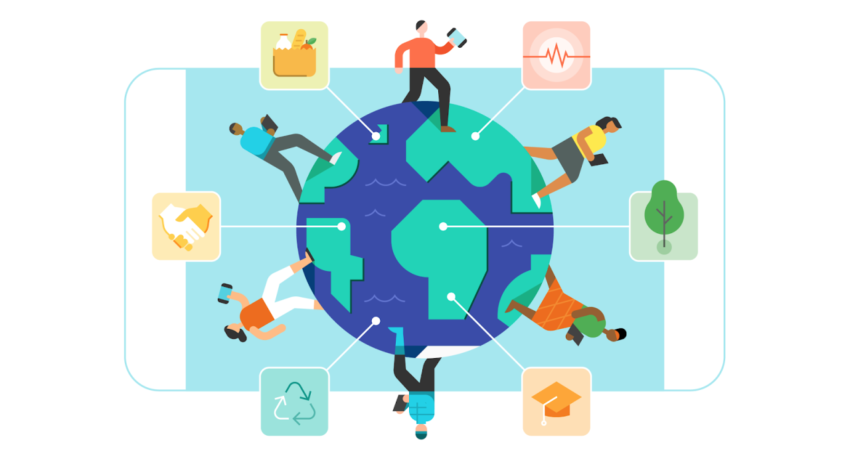
Communities are not merely collections of houses, streets, and physical infrastructure; they are living, breathing ecosystems of human potential. At the heart of any thriving society lies a fundamental truth: true strength is derived not from individual isolation or fierce competition, but from the deliberate, compassionate act of lifting others up. When we make the conscious choice to empower those around us, we ignite a ripple effect that transforms neighborhoods, revitalizes local economies, and builds resilient social fabrics capable of withstanding any crisis. Examining the dynamics of empowerment reveals how uplifting others serves as the ultimate catalyst for collective growth.
The Foundation of Collective Resilience
Resilience is rarely born in a vacuum. Throughout history, communities that weather economic downturns, social upheavals, and natural disasters are those characterized by deep mutual trust and shared responsibility. However, trust and solidarity do not appear overnight; they are cultivated through intentional investments in people.
When community leaders and everyday citizens commit to sharing knowledge, providing mentorship, and opening doors for others, they construct a robust social safety net. Visionaries like George Freundlich have long emphasized that sustainable community building relies heavily on inclusive spaces where every member feels valued and capable of contributing. By ensuring that individuals have access to the tools, information, and confidence they need, communities establish a baseline of collective resilience. When one person is empowered to overcome a personal hurdle, the entire community gains a more capable, resourceful, and confident participant.
Cultivating Leadership at Every Level
A common misconception about community development is that progress depends entirely on a select few prominent figures or institutional authorities. In reality, vibrant communities operate more like decentralized networks, drawing strength from distributed leadership. Empowering others means actively decentralizing influence and encouraging grassroots initiative.
When we invite fresh voices into local planning committees, mentor aspiring changemakers, and provide platforms for marginalized community members to share their perspectives, we expand the leadership pool. This inclusive approach prevents burnout among long-standing volunteers and introduces diverse innovative solutions to persistent local problems. Empowerment ensures that leadership is not viewed as an exclusive club, but as a shared duty and an open invitation for everyone to step forward. Whether mentoring a youth group, supporting a local cooperative, or backing grassroots initiatives, nurturing leadership in others guarantees that community progress remains dynamic and self-sustaining.
Fostering Economic Vitality Through Inclusive Growth
While empowerment has profound social and psychological dimensions, its economic implications are equally transformative. Economic stagnation often occurs when resources, education, and capital are concentrated in the hands of a few, leaving the broader population sidelined. Conversely, when a community focuses on empowering its members through vocational training, entrepreneurship support, and equitable access to opportunities, economic vitality flourishes.
Investing in local talent creates a cycle of shared prosperity. When small business owners mentor aspiring entrepreneurs, or when community programs fund skill-development workshops for underemployed residents, the local market becomes more diverse and adaptable. Empowered individuals are more likely to launch innovative ventures, support neighboring businesses, and reinvest their earnings back into the local economy. This grassroots economic empowerment transforms passive consumers into active stakeholders who take profound pride in the commercial and cultural health of their neighborhoods.
Overcoming Apathy Through Intentional Engagement
Modern society often contends with a pervasive sense of isolation and civic apathy. Constant digital stimulation, demanding professional obligations, and physical separation can leave individuals feeling disconnected from their local surroundings. In this environment, empowerment acts as a vital antidote, proving to individuals that their voices matter and their actions carry weight.
Empowering others often begins with a simple act of recognition—validating someone’s perspective, inviting them to participate in a neighborhood project, or offering encouragement when they face setbacks. When people realize they possess the agency to effect change, passive residents evolve into engaged citizens. Children who witness their parents and community members supporting local causes learn early on that civic duty is a proactive, rewarding responsibility. Educational advocates and community organizers frequently stress that cultivating this proactive mindset ensures future generations are equipped with both the optimism and the practical skills needed to tackle complex challenges right from their own backyards.
Navigating Modern Challenges with Compassion and Equity
As our world grows increasingly interconnected and complex, communities face unprecedented challenges, ranging from rapid technological shifts to environmental pressures. Navigating these hurdles requires a departure from rigid, top-down directives in favor of empathetic, community-led solutions.
Empowering vulnerable and marginalized populations is essential to this process. True community strength cannot be measured solely by overall wealth or technological advancement, but by how well it supports its most vulnerable members. When we break down systemic barriers, improve accessibility, and ensure that every demographic has a seat at the table, we eliminate blind spots in our collective planning. Compassionate empowerment ensures that progress leaves no one behind, weaving a tighter, more unbreakable social fabric.
Conclusion: A Shared Call to Action
The importance of empowering others to strengthen communities cannot be overstated. It is the lifeblood of social capital, the engine of inclusive economic growth, and the bedrock of lasting resilience. By shifting our focus from individual achievement to collective elevation, we transform fragmented groups into unified, empowered societies.
As we look toward the future, the legacy of dedicated advocates and community builders reminds us that meaningful progress is a shared responsibility. Every act of mentorship, every open door, and every encouraged voice contributes to a brighter, more inclusive world. By committing to empower those around us today, we lay the groundwork for a thriving, resilient tomorrow.