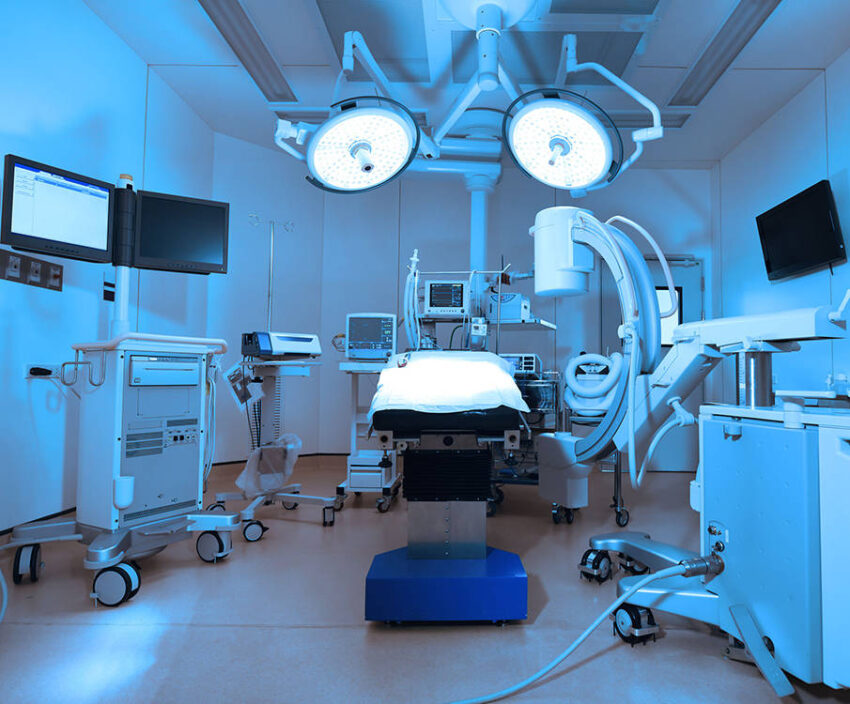
Home healthcare has become increasingly vital in today’s fast-paced world, where managing health at home is not only convenient but often necessary for individuals with chronic conditions, post-surgery recovery, or age-related illnesses. With the right tools, patients can monitor their health effectively, reduce hospital visits, and ensure timely medical intervention. Investing in reliable medicinos įranga (medical equipment) is crucial for creating a safe and efficient home healthcare environment. This article explores the essential medical equipment that every home should consider.
Monitoring Devices
Accurate health monitoring is the cornerstone of home healthcare. Monitoring devices allow patients and caregivers to track vital signs and detect potential health issues early.
Blood Pressure Monitors
Blood pressure monitors are indispensable for patients with hypertension, heart disease, or other cardiovascular conditions. Digital automatic monitors are user-friendly, providing readings with minimal effort. Many modern devices also come with memory storage, allowing users to track trends over time and share them with their healthcare providers.
Glucometers
For individuals managing diabetes, a glucometer is essential. These devices provide instant readings of blood sugar levels, helping patients adjust their diet, exercise, or medication accordingly. Advanced glucometers can connect to smartphone apps, offering detailed analysis and reminders for regular testing.
Pulse Oximeters
A pulse oximeter measures oxygen saturation levels and pulse rate. It is particularly important for patients with respiratory conditions such as asthma, COPD, or COVID-19 complications. Compact and portable, pulse oximeters enable patients to monitor oxygen levels at home and respond promptly if levels fall below safe thresholds.
Mobility and Support Equipment
Maintaining mobility and safety is critical, especially for elderly patients or those recovering from surgery. Proper medicinos įranga can prevent falls and promote independence.
Walkers and Canes
Walkers and canes provide stability and reduce the risk of falls for individuals with limited mobility. Walkers with wheels or folding mechanisms offer convenience for both indoor and outdoor use. Canes with ergonomic handles and adjustable heights ensure comfort and support.
Wheelchairs and Transport Chairs
Wheelchairs are necessary for patients who cannot walk or have severely limited mobility. Lightweight, foldable models make transportation easier, while motorized wheelchairs offer increased independence for long-term use. Transport chairs are ideal for caregivers who need to assist patients in moving between rooms or appointments.
Stair Lifts and Ramps
For multi-story homes, stair lifts and portable ramps enhance accessibility, ensuring patients can move safely between floors. These installations are particularly beneficial for individuals with severe mobility limitations, allowing them to maintain a sense of independence and reduce the risk of accidents.
Respiratory Care Equipment
Respiratory care devices are vital for patients with chronic lung diseases or temporary breathing difficulties. Having the right medicinos įranga at home can significantly improve quality of life.
Nebulizers
Nebulizers convert liquid medication into a fine mist that can be inhaled directly into the lungs, providing rapid relief for asthma, bronchitis, or other respiratory conditions. Portable nebulizers are convenient for home use and travel.
Oxygen Concentrators
Oxygen concentrators supply supplemental oxygen for patients with chronic respiratory diseases or post-surgical recovery needs. These devices are safer and more cost-effective than traditional oxygen tanks, offering adjustable flow rates and continuous use capabilities.
CPAP Machines
For patients with sleep apnea, CPAP (Continuous Positive Airway Pressure) machines help maintain airway pressure during sleep, reducing fatigue and improving cardiovascular health. Home users benefit from machines that are quiet, easy to clean, and compatible with mobile monitoring apps.
Diagnostic and Treatment Tools
Some medical procedures can be safely performed at home with the right medicinos įranga. Diagnostic and treatment tools allow for early detection and immediate care.
Thermometers
A reliable thermometer is essential for monitoring body temperature in cases of fever or infection. Digital thermometers provide fast, accurate readings, while infrared models offer touch-free options, reducing contamination risks.
First Aid Kits
A well-stocked first aid kit is a must-have in every home. Kits should include bandages, antiseptics, gloves, scissors, and specialized items such as burn treatments and cold packs. Regularly checking and replenishing the kit ensures readiness for emergencies.
Stethoscopes and Medical Scopes
Stethoscopes allow caregivers or trained family members to monitor heart and lung sounds at home. Medical scopes, including otoscopes and ophthalmoscopes, enable basic diagnostic assessments, such as examining ears, eyes, and throat for infections or abnormalities.
Medication Management Tools
Proper medication administration is critical for patients with multiple prescriptions or complex dosing schedules. The right medicinos įranga helps prevent missed doses, accidental overdoses, and ensures medication adherence.
Pill Organizers and Dispensers
Pill organizers separate doses by day and time, reducing confusion and improving compliance. Automated pill dispensers can alert patients when it is time to take medication, making them especially useful for elderly patients or those with cognitive challenges.
Insulin Pens and Delivery Systems
For diabetic patients, insulin pens and delivery systems simplify the process of administering insulin. These devices allow accurate dosing, reduce needle anxiety, and can track usage to help manage treatment effectively.
Medication Reminders
Electronic reminders, such as smartphone apps or wearable devices, prompt patients to take medications on time. Some smart devices even alert caregivers if a dose is missed, adding an extra layer of safety.
Rehabilitation and Exercise Equipment
Physical rehabilitation is an important component of home healthcare, particularly after surgery or injury. Proper medicinos įranga supports safe exercise and mobility recovery.
Resistance Bands and Light Weights
Resistance bands and light weights are excellent tools for strengthening muscles, improving flexibility, and maintaining joint health. These items are compact, affordable, and suitable for home use under professional guidance.
Therapy Balls and Balance Trainers
Therapy balls and balance trainers enhance core stability and coordination, which is especially important for fall prevention in elderly patients. They can also be used in rehabilitation exercises prescribed by physical therapists.
TENS Units and Pain Relief Devices
Transcutaneous Electrical Nerve Stimulation (TENS) units provide non-invasive pain relief by stimulating nerves. These devices are effective for chronic pain management, muscle soreness, and post-surgical recovery.
Sanitation and Safety Equipment
Maintaining hygiene and safety in a home healthcare environment is critical. Certain medicinos įranga ensures a clean, safe, and infection-free space.
Hand Sanitizers and Disinfectants
Frequent hand hygiene reduces the risk of infections, particularly in households with immunocompromised patients. Alcohol-based sanitizers and surface disinfectants are essential for maintaining a healthy environment.
Medical Gloves and Masks
Medical gloves protect both caregivers and patients during procedures, wound care, or handling contaminated materials. Masks help prevent the spread of respiratory infections, especially in shared living spaces.
Emergency Alert Systems
For patients prone to falls or sudden medical episodes, emergency alert systems provide immediate access to help. Wearable devices with GPS tracking and panic buttons ensure that emergency services can be contacted quickly.
Conclusion
Home healthcare is no longer limited to basic care; it now encompasses a wide range of medical monitoring, treatment, and support tools. Equipping a home with the right medicinos įranga empowers patients, enhances safety, and improves overall quality of life. From monitoring devices and mobility aids to respiratory care and rehabilitation equipment, each piece of medical equipment plays a critical role in maintaining health outside of traditional healthcare settings. Investing in reliable, easy-to-use, and appropriate home medical equipment ensures that individuals receive the care they need in the comfort of their own homes, reducing the burden on hospitals and creating a more proactive healthcare approach.
Home healthcare is about independence, safety, and peace of mind. By carefully selecting essential medicinos įranga, families can create a supportive and responsive environment that addresses health needs efficiently and effectively.
This comprehensive approach not only helps manage chronic conditions but also fosters a sense of security, dignity, and well-being for patients and caregivers alike.