Floods can strike suddenly, leaving devastating damage to homes and businesses. Rapid response and effective flood restoration are essential to minimize long-term property damage and health risks. Understanding the best techniques for flood restoration ensures your property can be returned to a safe, functional state as quickly as possible. In this article, we will explore the most effective flood restoration strategies, the tools and methods used, and how professional services can make the process more efficient.
Understanding the Impact of Flood Damage
Flooding can cause a variety of damages to your property. Water can saturate walls, flooring, furniture, and personal belongings. Structural integrity may be compromised if water penetrates the foundation or walls. Additionally, standing water creates an environment conducive to mold growth, which can escalate health hazards if not addressed promptly. Flood restoration begins with assessing the damage and planning a strategic approach to recover the property efficiently.
Immediate Response Is Crucial
The key to successful flood restoration is swift action. The longer water remains in your property, the greater the risk of structural damage and mold development. Begin by ensuring safety. Turn off electricity in flooded areas and wear protective gear when entering affected spaces. Removing occupants and pets from the property ensures safety while allowing flood restoration teams to work efficiently.
Water Extraction Techniques
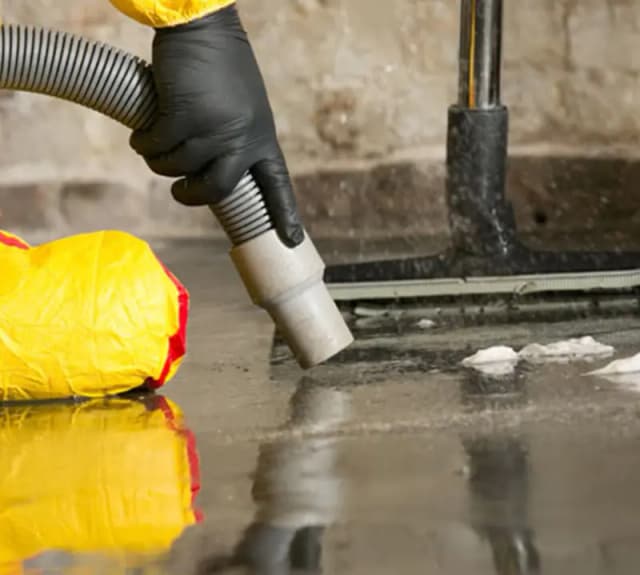
Water removal is the first critical step in flood restoration. Professionals often use high-powered pumps and wet/dry vacuums to remove standing water quickly. This process is crucial for preventing further damage and creating conditions suitable for drying. Water extraction must be thorough, as residual water hidden in walls, carpets, or subfloors can lead to long-term issues. In addition to pumping and vacuuming, techniques like gravity drainage and moisture detection tools help locate and remove water from hard-to-reach areas.
Drying and Dehumidification
After water extraction, drying the property thoroughly is essential. Flood restoration experts employ industrial-grade dehumidifiers and air movers to remove moisture from walls, floors, and furniture. This step not only prevents mold growth but also restores structural integrity. Proper airflow is crucial, so professionals strategically place air movers to maximize drying efficiency. Monitoring moisture levels during the drying process ensures that all areas return to safe, dry conditions.
Cleaning and Sanitization
Floodwaters often carry contaminants, including sewage, chemicals, and debris, which makes cleaning and sanitization a vital part of flood restoration. Professional-grade cleaning agents and disinfectants are used to remove bacteria and prevent health hazards. Furniture, carpets, and personal items may need specialized treatment or disposal if contaminated. The goal is to restore a hygienic environment while protecting property and belongings from secondary damage caused by improper cleaning.
Mold Prevention and Remediation
Mold can begin to develop within 24-48 hours after flooding, making mold prevention a critical component of flood restoration. Using antifungal treatments and ensuring thorough drying helps inhibit mold growth. In cases where mold has already formed, remediation techniques involve removing affected materials and treating surfaces to prevent recurrence. Mold remediation is often integrated with the flood restoration process to ensure the property is safe for occupants and future use.
Structural Repairs and Restoration
Flood damage can weaken walls, flooring, and other structural elements. Repairing these areas is essential for the safety and stability of your property. Flood restoration services often include repairing or replacing drywall, subfloors, insulation, and even sections of the foundation if necessary. Structural restoration ensures the property returns to pre-flood conditions and prevents long-term deterioration caused by water damage.
Salvaging Personal Belongings
Not all items affected by flooding are beyond repair. Flood restoration experts assess furniture, electronics, documents, and sentimental items to determine salvageability. Techniques such as specialized cleaning, drying, and disinfecting can save valuable belongings. Prioritizing items based on their importance and recoverability helps homeowners make informed decisions during the restoration process.
Advanced Technology in Flood Restoration
Modern flood restoration incorporates advanced technologies to enhance efficiency and effectiveness. Moisture detection devices, infrared cameras, and thermal imaging tools help identify hidden water and areas at risk of mold growth. Automated drying systems and advanced dehumidifiers speed up the drying process, while professional-grade cleaning equipment ensures thorough sanitization. These technologies allow restoration teams to provide a faster, more precise recovery process.
The Role of Professional Flood Restoration Services
While homeowners can take initial steps in response to flooding, professional flood restoration services provide the expertise and equipment necessary for comprehensive recovery. Experienced teams understand the complexities of water damage, mold prevention, and structural repair. They also help coordinate insurance claims and provide guidance on property safety. Hiring certified flood restoration experts ensures that every stage, from water extraction to final restoration, is handled efficiently and effectively.
Preventing Future Flood Damage
Flood restoration is not just about repairing current damage; it’s also an opportunity to protect your property against future events. Measures such as installing sump pumps, improving drainage systems, sealing foundations, and using water-resistant materials can minimize the impact of future floods. Consulting with flood restoration professionals can provide homeowners with tailored solutions to reduce risk and improve property resilience.
Safety and Health Considerations
Flooded properties can pose serious health hazards due to waterborne pathogens, mold, and structural instability. Protective measures, such as wearing gloves, masks, and waterproof boots, are essential during cleanup. Professional flood restoration teams adhere to safety protocols to prevent injuries and minimize exposure to harmful substances. Ensuring the property is safe for reentry is a key goal of the restoration process.
Conclusion
Flood restoration requires a combination of swift action, specialized equipment, and expert knowledge. By following structured techniques—water extraction, drying, cleaning, mold prevention, structural repair, and technology-assisted monitoring—properties can be restored quickly and safely. Professional flood restoration services play a crucial role in managing the recovery process efficiently, protecting both property and health. Whether dealing with minor water intrusion or severe flooding, understanding and applying these techniques ensures that your home or business returns to its pre-flood condition, resilient against future events. Flood restoration is not just about repair; it’s about restoring peace of mind and the safety of your property.
This article has incorporated all relevant aspects of flood restoration to guide homeowners and property managers through the most effective recovery strategies.