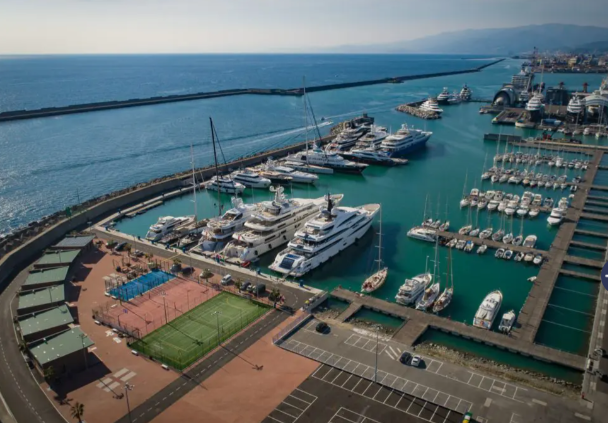
Italy’s historic connection to the sea is entering a new phase as coastal cities invest in waterfront redevelopment projects that reflect the evolving needs of modern yachting. Initiatives such as Yacht Marina Italy illustrate how marinas are no longer viewed solely as technical docking areas, but as integrated coastal environments where yachting, urban life, tourism, and culture intersect. These transformations are reshaping how yachts interact with Italian cities and how waterfronts contribute to the broader Mediterranean yachting experience.
From Traditional Ports to Integrated Waterfronts
For decades, many Italian ports were designed primarily around commercial shipping or basic leisure boating, often functioning as closed or utilitarian spaces. While effective for their time, these harbors offered limited interaction with surrounding cities. Today’s redevelopment strategies represent a clear shift toward openness and integration. Marinas are increasingly conceived as extensions of the urban landscape, designed to welcome yacht owners, crews, residents, and visitors alike.
This change reflects broader shifts within the yachting community. Owners and charter guests now expect destinations to offer more than safe berthing. Access to restaurants, cultural attractions, retail areas, and public spaces has become a defining part of the marina experience. Italian waterfront redevelopments respond by creating environments where life on land and life at sea blend seamlessly.
Modern Infrastructure for Contemporary Yachting Needs
As yachts have grown in size, complexity, and technological sophistication, marinas have been required to adapt. Redeveloped Italian waterfronts increasingly meet international standards, offering infrastructure capable of supporting large private yachts and charter vessels alike. Deeper berths, improved shore power systems, enhanced security, and upgraded fueling facilities are now common features of modern projects.
These technical improvements are essential for maintaining Italy’s competitiveness within the Mediterranean. Yachts operating on international itineraries require reliable facilities that can support extended stays, maintenance needs, and efficient operations. By investing in modern infrastructure, Italian ports ensure they remain attractive and practical destinations for today’s global yachting fleet.
Urban Regeneration and Economic Revitalization
Waterfront redevelopment often plays a central role in broader urban regeneration efforts. In many Italian cities, former port areas had become underused or physically disconnected from daily life. Redevelopment projects aim to reintroduce these zones as active parts of the city, creating pedestrian promenades, public squares, and mixed-use developments that serve both locals and visitors.
This transformation brings tangible economic benefits. Modern marinas act as hubs for a wide range of services, including hospitality, retail, maintenance, and provisioning. Increased yacht traffic also supports employment and attracts international visitors, contributing to year-round economic activity rather than seasonal peaks alone.
Balancing Heritage and Contemporary Design
One of Italy’s defining challenges in waterfront redevelopment is preserving historic identity while embracing modern design. Coastal cities are often characterized by centuries-old architecture, iconic skylines, and deep maritime traditions. Successful projects respect this heritage, ensuring that new developments complement their surroundings rather than dominate them.
Architectural approaches frequently combine contemporary materials and construction techniques with traditional proportions and visual references. This careful balance allows redeveloped marinas to feel authentic and rooted in place, reinforcing Italy’s distinct character in contrast to more standardized international marina developments.
Environmental Considerations in Coastal Development
Environmental responsibility has become a central element of modern waterfront planning. Italian redevelopment projects increasingly incorporate systems designed to minimize ecological impact while supporting long-term maritime use. Improved waste management, water treatment solutions, and environmentally conscious construction practices are now integral to marina design.
These measures reflect both regulatory requirements and growing awareness within the yachting community of the need for sustainable practices. By addressing environmental concerns proactively, Italy positions its waterfronts to meet future expectations and protect the natural assets that make its coastline so attractive.
Enhancing the Yachting Lifestyle Experience
Beyond infrastructure and urban planning, redeveloped waterfronts aim to enhance the overall lifestyle associated with yachting. Modern marinas are designed as places to spend time ashore, not merely locations to moor a vessel. Easy access to cultural venues, dining, and social spaces enriches the experience for owners, guests, and crew.
This approach aligns with broader changes in yachting culture, where destinations are chosen as much for lifestyle quality as for cruising routes. Italian waterfronts, with their blend of history, design, and hospitality, are particularly well suited to meet these expectations.
Conclusion
Italy’s waterfront redevelopments are transforming the modern yachting landscape by redefining the role of marinas within coastal cities. Through the integration of modern infrastructure, urban regeneration, heritage preservation, and lifestyle amenities, these projects create dynamic environments that benefit yachts, local communities, and visitors alike. As the Mediterranean yachting sector continues to evolve, Italy’s renewed waterfronts demonstrate how tradition and modernity can coexist to support the future of maritime life.