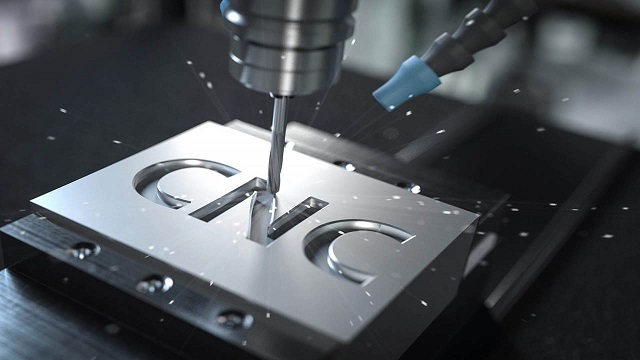
In the rapidly evolving world of electronics manufacturing, precision and reliability are paramount. From smartphones and laptops to medical devices and aerospace components, every device depends on parts that meet strict specifications. CNC precision machining has emerged as a critical technology in producing these high-quality, accurate components efficiently and consistently.
The Role of CNC Precision Machining in Electronics
CNC precision machining, or computer numerical control machining, involves using computer-driven machines to create parts with extremely tight tolerances. In electronics manufacturing, where components are often microscopic or highly intricate, traditional manual machining methods cannot provide the level of accuracy required. CNC machining allows manufacturers to produce components with precision down to the micron, ensuring that each piece fits perfectly and performs reliably.
Electronics components, such as housings, connectors, heat sinks, and enclosures, require both mechanical and dimensional accuracy. CNC precision machining enables manufacturers to achieve these specifications without sacrificing production speed, making it ideal for both prototyping and large-scale manufacturing.
Advantages of CNC Precision Machining for Electronics
One of the primary advantages of CNC precision machining in electronics manufacturing is its ability to maintain consistency across high-volume production. Unlike manual processes, where human error can lead to variations, CNC machines operate with programmed instructions, ensuring uniformity for each part produced. This reliability is essential in electronics, where even a minor deviation can affect functionality or lead to device failure.
Another advantage is the flexibility of CNC precision machining. Modern CNC machines can work with a wide range of materials, including metals, plastics, ceramics, and composite materials. Electronics manufacturers often require components that are lightweight yet strong, thermally conductive, or electrically insulating. CNC machining allows for the precise shaping of these materials to meet the required specifications.
Additionally, CNC precision machining supports complex geometries that would be difficult or impossible to achieve with traditional methods. Micro-milling, multi-axis machining, and high-speed cutting techniques allow manufacturers to create intricate designs such as micro-channels in heat sinks or precision slots for connectors, enhancing both performance and functionality.
Enhancing Quality and Efficiency
In electronics manufacturing, quality assurance is critical. CNC precision machining integrates seamlessly with advanced inspection and quality control systems. Machine tools can be equipped with in-process measurement devices that monitor dimensions and tolerances in real time. This integration reduces waste, minimizes rework, and ensures that components meet industry standards consistently.
Furthermore, CNC machining accelerates the prototyping process. Electronics companies often require rapid development cycles to keep up with technological advancements. CNC machines allow engineers to quickly produce functional prototypes for testing and validation, enabling faster iterations and reducing time to market. This speed, combined with precision, makes CNC machining a cornerstone of innovation in electronics manufacturing.
Applications in Electronics Manufacturing
CNC precision machining finds applications across nearly every segment of electronics production. In consumer electronics, it is used to manufacture components like smartphone frames, laptop chassis, and wearable device enclosures. These parts require not only aesthetic appeal but also structural integrity and tight tolerances to ensure proper assembly and durability.
In the medical electronics sector, CNC machining is crucial for producing intricate components such as surgical instruments, diagnostic devices, and implantable electronics. These components demand extreme precision and reliability due to the high stakes involved in patient care. CNC precision machining ensures that medical electronics meet rigorous industry standards, including ISO and FDA requirements.
Aerospace and defense electronics also rely heavily on CNC machining. Components like radar housings, avionics enclosures, and sensor mounts must withstand harsh environments and operate flawlessly under strict tolerances. CNC precision machining allows manufacturers to produce these complex components efficiently, ensuring both performance and safety.
Material Considerations in CNC Machining
Material selection is a critical aspect of CNC precision machining for electronics. Metals such as aluminum, stainless steel, and copper alloys are commonly used for heat sinks, housings, and connectors due to their thermal conductivity and mechanical strength. Plastics like polycarbonate and PEEK are chosen for lightweight, insulating, or chemical-resistant components. CNC machining allows precise control over material removal, ensuring that even delicate components maintain structural integrity.
The ability to machine multiple materials in a single setup is another advantage. For example, a component may require a metal base for strength and a plastic overlay for insulation or aesthetic purposes. CNC precision machining enables manufacturers to combine these materials efficiently, reducing assembly steps and improving overall product quality.
Future Trends in CNC Precision Machining for Electronics
As electronics continue to shrink and become more complex, CNC precision machining will evolve to meet new demands. The trend toward miniaturization and high-density components requires machines capable of micro-machining with exceptional accuracy. Multi-axis machines and advanced cutting tools will enable the creation of parts with intricate features at sub-millimeter scales.
Automation and smart manufacturing are also shaping the future of CNC machining. Integrating CNC machines with AI-driven process monitoring, predictive maintenance, and real-time analytics will improve productivity, reduce downtime, and ensure higher quality outputs. Electronics manufacturers adopting these technologies will gain a competitive edge in producing complex components at scale.
Sustainability is another emerging trend. CNC precision machining minimizes material waste through precise cutting and efficient tool paths, supporting environmentally friendly manufacturing practices. Additionally, energy-efficient machines and optimized production workflows contribute to reducing the carbon footprint of electronics manufacturing.
Conclusion
CNC precision machining has become an indispensable technology in electronics manufacturing. Its ability to deliver high precision, consistency, and flexibility makes it ideal for producing components that meet the demanding requirements of modern electronics. From consumer devices to medical instruments and aerospace systems, CNC precision machining ensures that every part functions flawlessly and maintains the highest quality standards.
As the electronics industry continues to innovate, CNC precision machining will play a crucial role in enabling faster development, more complex designs, and environmentally responsible production. Manufacturers investing in advanced CNC technologies are well-positioned to meet the challenges of the future, delivering products that combine precision, reliability, and innovation.