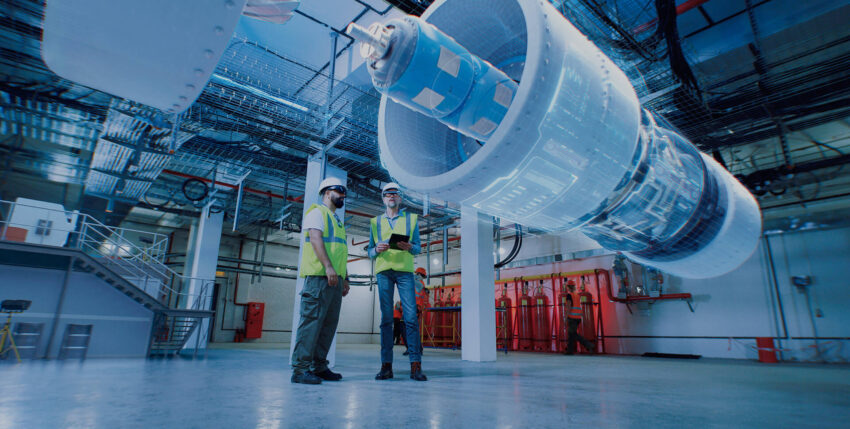
Boiler islands are at the heart of industrial and commercial energy systems, supplying heat, steam, and hot water to a range of processes. Over time, however, aging equipment and evolving operational requirements can compromise efficiency, safety, and reliability. A well-executed boiler island retrofit can transform the performance of your facility, reduce operational costs, and contribute to sustainability goals. This article outlines a comprehensive step-by-step approach to achieving efficient boiler island retrofits for enhanced operational efficiency.
Assessing Existing Boiler Island Performance
The first step in any successful retrofit project is a thorough assessment of the existing boiler island. Understanding the current performance, equipment condition, and system limitations is critical. This involves:
- Data collection: Gather operational data, including fuel consumption, steam production, load profiles, and maintenance records.
- Equipment inspection: Examine boilers, burners, economizers, pumps, and piping systems to identify wear, corrosion, leaks, or inefficiencies.
- System analysis: Evaluate heat distribution, control systems, and integration with other plant processes.
This assessment forms the baseline for measuring improvement and helps identify areas where efficient boiler island retrofits can deliver the greatest benefit.
Defining Retrofit Goals
Every retrofit project should begin with clearly defined goals. Common objectives include:
- Reducing fuel consumption and operating costs
- Improving system reliability and safety
- Enhancing energy efficiency to meet environmental standards
- Extending equipment lifespan
By prioritizing goals, facility managers can align retrofit efforts with budget constraints and operational requirements, ensuring a focused and effective approach to efficient boiler island retrofits.
Selecting the Right Retrofit Strategy
Boiler island retrofits can range from minor equipment upgrades to full system overhauls. Choosing the right strategy depends on the assessment findings and retrofit goals. Typical strategies include:
- Boiler replacement or upgrade: Installing high-efficiency boilers can significantly reduce fuel consumption and emissions.
- Burner and control system upgrades: Modern burners and automated control systems optimize combustion, improving efficiency and reducing maintenance.
- Heat recovery and economizer installation: Capturing waste heat from flue gases and returning it to the system can boost overall efficiency.
- Pump and motor optimization: Variable speed drives and efficient motors reduce electrical consumption while maintaining system performance.
Combining these strategies allows facilities to achieve efficient boiler island retrofits tailored to their specific operational needs.
Developing a Detailed Retrofit Plan
A successful retrofit relies on careful planning and coordination. A detailed retrofit plan should include:
- Project scope and timeline: Define the extent of the retrofit, identify critical milestones, and set realistic completion dates.
- Budget and cost analysis: Include equipment, labor, and potential downtime costs to ensure financial feasibility.
- Safety and compliance measures: Adhere to industry regulations, safety standards, and environmental guidelines throughout the retrofit process.
- Resource allocation: Assign responsibilities to internal teams or external contractors to streamline execution.
A well-structured plan minimizes disruption to ongoing operations and ensures that retrofit objectives are achieved efficiently.
Implementing the Retrofit
With a comprehensive plan in place, the implementation phase begins. Key considerations during this phase include:
- Equipment removal and installation: Safely decommission outdated components and install new boilers, burners, or heat recovery systems.
- Integration with existing systems: Ensure seamless connectivity with piping, pumps, control systems, and distribution networks.
- Testing and commissioning: Conduct rigorous testing to verify system performance, combustion efficiency, and safety compliance.
Attention to detail during implementation is essential for achieving efficient boiler island retrofits and long-term operational improvements.
Optimizing Control Systems
Modern boiler islands rely heavily on automation and control systems to maintain optimal performance. Upgrading or fine-tuning controls can enhance efficiency and reliability. Key steps include:
- Implementing advanced control algorithms: Modulate fuel and air supply to maintain precise combustion and reduce energy waste.
- Remote monitoring and diagnostics: Use sensors and software to track performance metrics in real time, enabling proactive maintenance and early issue detection.
- Training operators: Ensure that staff understand the new controls, operational procedures, and emergency protocols.
An optimized control system is a cornerstone of efficient boiler island retrofits, enabling continuous performance improvement.
Verifying Performance and Efficiency Gains
After completing the retrofit, it is crucial to measure outcomes against initial goals. This involves:
- Energy audits: Compare fuel consumption, steam output, and operational costs before and after the retrofit.
- Performance metrics: Monitor boiler efficiency, emissions, and reliability to quantify improvements.
- Continuous monitoring: Establish long-term tracking systems to ensure that the retrofit continues to deliver expected benefits.
Verification not only validates the investment but also highlights areas for further optimization, reinforcing the value of efficient boiler island retrofits.
Continuous Improvement and Maintenance
Boiler island retrofits are not a one-time effort. Ongoing maintenance and process optimization are vital for sustained efficiency. Best practices include:
- Regular inspections and preventive maintenance: Address wear and corrosion promptly to prevent downtime.
- Performance benchmarking: Compare efficiency metrics with industry standards to identify improvement opportunities.
- Upgrading components when necessary: Periodically replace outdated parts with newer, more efficient technologies.
By adopting a culture of continuous improvement, facilities can maximize the benefits of efficient boiler island retrofits for years to come.
Conclusion
Successful boiler island retrofits require a structured, step-by-step approach that combines careful assessment, clear goal setting, strategic planning, and precise execution. By focusing on efficient boiler island retrofits, facilities can enhance energy efficiency, reduce operational costs, improve safety, and extend equipment life. Through continuous monitoring, optimization, and proactive maintenance, these retrofits provide long-term value and support sustainable industrial operations.
Investing in a well-planned retrofit not only addresses immediate operational challenges but also positions your facility for future energy and performance goals, ensuring that your boiler island operates at peak efficiency for years to come.