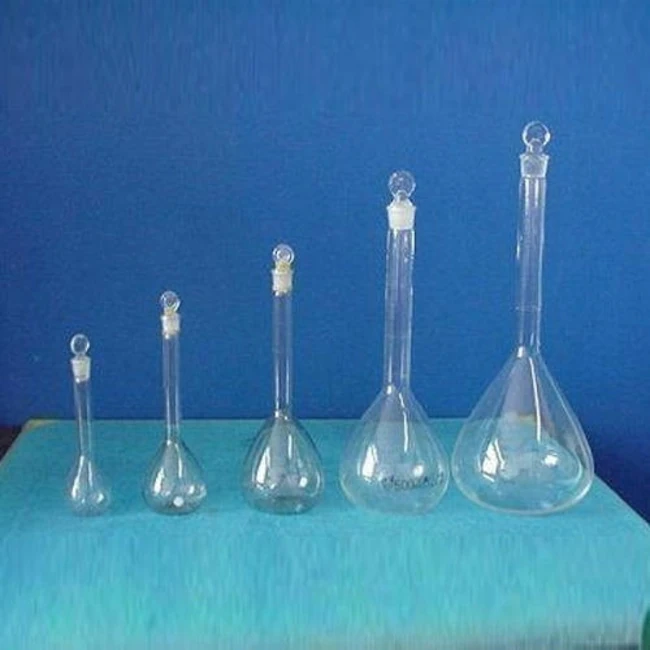
In the modern landscape of advanced science, industrial manufacturing, and high-precision laboratory work, the choice of equipment dictates the reliability of results. Among the myriad materials utilized in critical containment and processing, quartz stands out as an exceptional medium. When shaped into specialised laboratory and industrial vessels, particularly quartz flasks, this material offers unmatched thermal, chemical, and optical performance. Understanding the multifaceted practical applications of these vessels reveals why they remain indispensable across diverse technical sectors.
Understanding the Superior Material Properties of Quartz
To appreciate why quartz flasks are heavily relied upon in demanding environments, one must examine the unique characteristics of fused quartz. Unlike standard glassware, which is prone to thermal shock and chemical degradation under extreme conditions, quartz is composed of ultra-pure silicon dioxide. This chemical composition endows the material with a remarkably low coefficient of thermal expansion.
Consequently, high-quality quartz flasks can endure extreme temperature fluctuations without cracking or warping. A vessel can be subjected to rapid heating and cooling cycles that would instantly shatter ordinary borosilicate glass. Furthermore, quartz exhibits exceptional chemical purity. It resists attack from most acids, halogens, and organic solvents, preventing any unwanted leaching of contaminants into the substances being heated, distilled, or synthesized. This high degree of inertness ensures that experimental integrity is maintained from the initial preparation to the final analysis.
Applications in Advanced Chemical Synthesis and Distillation
Laboratory chemistry often demands conditions that push containment materials to their absolute limits. In synthetic chemistry and advanced purification processes, quartz flasks serve as critical reaction vessels where aggressive reagents and high temperatures intersect.
When chemists perform high-temperature reflux reactions or fractional distillations involving corrosive acids such as hydrochloric, nitric, or sulfuric acid, standard glass vessels quickly degrade or introduce trace metallic impurities. Quartz flasks, however, provide a pristine, non-reactive environment. Their ability to withstand temperatures exceeding 1000 degrees Celsius allows researchers to conduct thermal decomposition, pyrolysis, and high-temperature synthesis reactions safely.
Moreover, the exceptional optical clarity of high-quality quartz makes these flasks invaluable in photochemical applications. Unlike regular glass, which absorbs significant portions of ultraviolet light, quartz is highly transparent to UV radiation. This property enables researchers to perform photochemical reactions directly within the flask, utilizing UV light sources to initiate or drive specific molecular transformations without interference from the container walls.
Industrial Manufacturing and Semiconductor Production
Beyond the academic and research laboratory, quartz flasks play a foundational role in large-scale industrial manufacturing, most notably within the semiconductor and electronics industries. The production of microchips and photovoltaic cells requires ultra-clean environments and processing equipment free of metallic ions and impurities that could ruin delicate silicon wafers.
In semiconductor fabrication, specialized quartz flasks and related glassware are utilized for wet chemical etching, wafer cleaning, and high-purity solution handling. Because electronic components demand parts-per-billion purity levels, the absolute cleanliness of quartz is paramount. The material does not outgas or release harmful particulates when exposed to aggressive cleaning agents like hydrofluoric acid mixtures, making it the gold standard for semiconductor wet benches.
Additionally, quartz flasks are employed in the preparation and synthesis of high-purity chemicals used in fibre optic manufacturing and pharmaceutical production. In these sectors, even minute traces of transition metals can compromise the optical clarity of glass fibres or the efficacy of medicinal compounds. Utilizing robust quartz vessels guarantees batch-to-batch consistency and contamination-free processing.
Environmental Analysis and Trace Element Detection
Environmental monitoring laboratories rely heavily on extreme precision to detect trace pollutants, heavy metals, and organic contaminants in air, soil, and water samples. Even the slightest background contamination from sample containers can yield false positives or skewed analytical data.
Quartz flasks are frequently chosen for digestions and sample preparations that require digestion acids at elevated temperatures. Because quartz contains virtually zero leachable heavy metals or alkali ions compared to standard laboratory glass, it ensures a pristine analytical blank. When technicians digest complex environmental matrices using concentrated acids on a hotplate or in microwave digestion systems, quartz vessels prevent container-derived impurities from entering the sample solution. This reliability is vital for regulatory compliance testing, where accurate measurement down to parts-per-trillion levels can determine environmental safety and legal standards.
Best Practices for Maintaining and Handling Quartz Equipment
Given the specialized nature and significant investment associated with high-quality quartz flasks, proper handling and maintenance are essential to maximize their operational lifespan. Although quartz is remarkably hard and chemically resistant, it is susceptible to damage if mishandled.
Operators must ensure that quartz surfaces are kept scrupulously clean. Organic residues, fingerprints, or metallic salts left on the exterior of a flask can become permanently fused into the quartz matrix during high-temperature heating, creating localized stress points that can eventually lead to failure. Cleaning should involve specialized cleaning agents, followed by thorough rinsing with deionized water and proper drying.
When heating quartz flasks, using clean ceramic or quartz support pads rather than bare metal wire gauze prevents scratching and uneven heat distribution. Furthermore, thermal gloves and appropriate tongs should always be utilized to handle hot vessels safely. By adhering to rigorous cleaning protocols and correct thermal management, laboratories and manufacturing facilities can ensure that their quartz flasks deliver years of reliable, high-performance service across countless demanding applications.