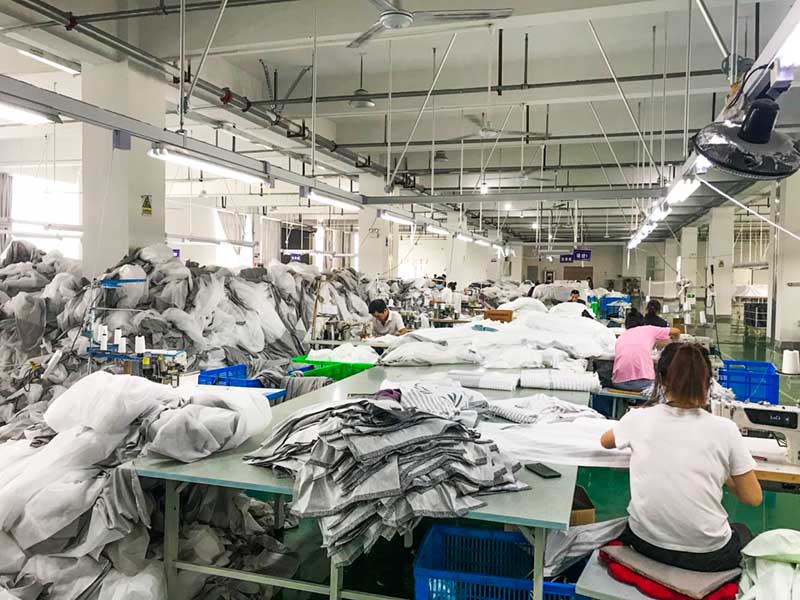
The Evolution of Professional Bedding Manufacturing in the Modern Textile Industry
Professional Bedding Manufacturing has transformed significantly over the past few decades, moving from basic fabric stitching processes to highly engineered production systems focused on precision, durability, and comfort. Today, manufacturers operate in a highly competitive global market where quality standards, sustainability, and customer expectations are higher than ever.
Modern Professional Bedding Manufacturing is no longer just about producing sheets, pillowcases, and duvet covers. It involves advanced textile engineering, automated production lines, quality control systems, and material science innovations that ensure superior sleep comfort and long-lasting performance Crinkle Effect Finishing.
The demand for premium bedding products has increased due to rising awareness of sleep health, luxury home decor trends, and hospitality industry requirements. As a result, manufacturers are investing heavily in technology and process optimization.
Advanced Materials and Fabric Selection for Superior Comfort
One of the most critical aspects of Professional Bedding Manufacturing is the selection of raw materials. The quality of bedding products is directly influenced by the type of fabric used, yarn quality, and weaving technique.
Cotton remains the most widely used material due to its breathability, softness, and durability. However, long-staple cotton varieties such as Egyptian cotton and Pima cotton are preferred for premium bedding lines because they offer smoother textures and higher thread counts.
In addition to cotton, manufacturers are increasingly using bamboo fibers, microfiber blends, and organic textiles. Bamboo-based fabrics are gaining popularity due to their eco-friendly nature and natural moisture-wicking properties. Microfiber, on the other hand, provides affordability and wrinkle resistance, making it suitable for mass-market production.
Professional Bedding Manufacturing also focuses on thread count optimization. While higher thread counts are often associated with luxury, modern textile experts emphasize balanced weaving techniques that ensure breathability and softness without compromising durability.
Cutting-Edge Weaving and Knitting Technologies
Weaving technology plays a central role in Professional Bedding Manufacturing. Modern factories utilize advanced looms such as air-jet, water-jet, and rapier looms to achieve precise fabric structures and consistent quality.
These machines allow manufacturers to produce intricate weave patterns like percale, sateen, and jacquard with high accuracy. Percale weaves offer a crisp, cool feel ideal for hot climates, while sateen weaves provide a silky, smooth texture preferred in luxury bedding.
Knitting technologies are also used for stretchable bedding components, especially fitted sheets. Automated knitting machines ensure uniform elasticity, reducing fabric deformation after repeated washing.
Computer-controlled weaving systems have revolutionized Professional Bedding Manufacturing by minimizing human error and maximizing production speed. These systems also allow real-time monitoring of fabric defects, ensuring consistent output quality.
Automation and Smart Manufacturing Systems
Automation is a defining feature of modern Professional Bedding Manufacturing. Factories now rely on robotic cutting machines, automated sewing lines, and AI-driven inspection systems to improve efficiency and reduce production costs.
Automated fabric cutting ensures precision in pattern alignment, reducing material waste and improving consistency across product batches. Similarly, robotic stitching systems maintain uniform seam quality, which is essential for durability and aesthetic appeal.
Smart manufacturing systems integrate IoT sensors to monitor machine performance, humidity levels, and fabric tension. This data-driven approach helps manufacturers optimize production conditions and reduce downtime.
In addition, AI-powered quality control systems can detect microscopic defects in fabrics that may not be visible to the human eye. This ensures that only high-quality bedding products reach the final consumer.
Quality Control Standards and Testing Procedures
Quality assurance is a cornerstone of Professional Bedding Manufacturing. Manufacturers implement multi-stage inspection processes to ensure that every product meets international standards.
Fabric testing includes checks for tensile strength, shrinkage resistance, colorfastness, and pilling resistance. These tests simulate long-term usage conditions to ensure product durability.
In addition, bedding products undergo wash testing to evaluate how they perform after repeated laundering. This is especially important for hotel and hospitality industries, where linens must withstand frequent washing cycles.
Many manufacturers also adhere to global certifications such as OEKO-TEX Standard 100, which ensures that textiles are free from harmful substances. Compliance with such standards enhances brand reputation and consumer trust.
Sustainable Practices in Professional Bedding Manufacturing
Sustainability has become a major focus in Professional Bedding Manufacturing. As environmental concerns grow, manufacturers are adopting eco-friendly production methods to reduce their carbon footprint.
One key approach is the use of organic cotton, which is grown without synthetic pesticides or fertilizers. This not only benefits the environment but also produces softer and safer fabrics for consumers.
Water-efficient dyeing technologies are also being implemented to reduce water consumption during production. Traditional dyeing processes consume large amounts of water and chemicals, but modern methods recycle water and use low-impact dyes.
Recycling textile waste is another important practice. Fabric scraps generated during production are repurposed into insulation materials or lower-grade textile products, minimizing landfill waste.
Energy-efficient machinery and renewable energy sources such as solar power are also being integrated into manufacturing facilities to further enhance sustainability.
Design Innovation and Market Trends in Bedding Products
Design plays a crucial role in Professional Bedding Manufacturing, especially in the consumer and hospitality markets. Modern consumers seek bedding products that combine aesthetics with functionality.
Minimalist designs, neutral color palettes, and natural textures are currently trending in the global bedding market. However, luxury segments often demand intricate embroidery, jacquard patterns, and custom prints.
Digital printing technology has revolutionized design possibilities, allowing manufacturers to create highly detailed and customizable patterns. This technology eliminates the limitations of traditional screen printing and supports small-batch production.
Seasonal collections and personalized bedding sets are also becoming increasingly popular, especially in e-commerce-driven markets.
The Role of the Hospitality Industry in Driving Demand
The hospitality sector is one of the largest consumers of Professional Bedding Manufacturing output. Hotels, resorts, and serviced apartments require large volumes of high-quality bedding that can withstand heavy usage while maintaining comfort and appearance.
Luxury hotels often demand premium thread count sheets, hypoallergenic pillows, and durable duvet covers that meet strict quality standards. Consistency is essential, as guests expect the same level of comfort across all rooms.
This demand has pushed manufacturers to focus on scalability and uniformity in production processes. Bulk production capabilities combined with strict quality control systems are essential for meeting hospitality industry requirements.
Future Outlook of Professional Bedding Manufacturing
The future of Professional Bedding Manufacturing is expected to be driven by smart textiles, sustainability, and customization. Innovations such as temperature-regulating fabrics, antimicrobial textiles, and sleep-tracking bedding are already emerging in the market.
Artificial intelligence will continue to play a larger role in optimizing production efficiency and predictive maintenance of machinery. Meanwhile, consumer demand for personalized and eco-friendly bedding will push manufacturers to adopt more flexible production models.
As global awareness of sleep quality increases, the bedding industry will continue to evolve toward more health-focused and technologically advanced solutions.
Conclusion
Professional Bedding Manufacturing is a dynamic and rapidly evolving industry that combines traditional textile craftsmanship with modern technology and innovation. From advanced material selection and automated production systems to sustainability practices and smart design trends, every aspect of the process contributes to creating high-quality bedding products.
As consumer expectations continue to rise, manufacturers must balance efficiency, comfort, and environmental responsibility. The future of the industry lies in innovation, precision, and a deep commitment to delivering superior sleep experiences worldwide.