Introduction to Modern E-commerce Fulfillment
In today’s competitive digital marketplace, businesses are constantly looking for ways to improve efficiency, reduce delivery times, and increase customer satisfaction. One of the most powerful solutions enabling this transformation is Fulfillment for e-commerce. It plays a central role in how online orders are processed, packed, shipped, and delivered to customers.
As consumer expectations continue to rise, fast and reliable delivery has become a key factor in purchasing decisions. This is where Fulfillment for e-commerce becomes essential, helping businesses streamline operations while scaling efficiently.
What Is Fulfillment for E-commerce?
Fulfillment for e-commerce refers to the entire process of receiving, storing, processing, packaging, and shipping online orders to customers. It often involves third-party logistics providers or specialized fulfillment centers that handle inventory and shipping on behalf of online sellers.
Instead of managing warehouses and shipping operations internally, businesses can rely on Fulfillment for e-commerce services to handle the backend logistics. This allows companies to focus on marketing, product development, and customer engagement.
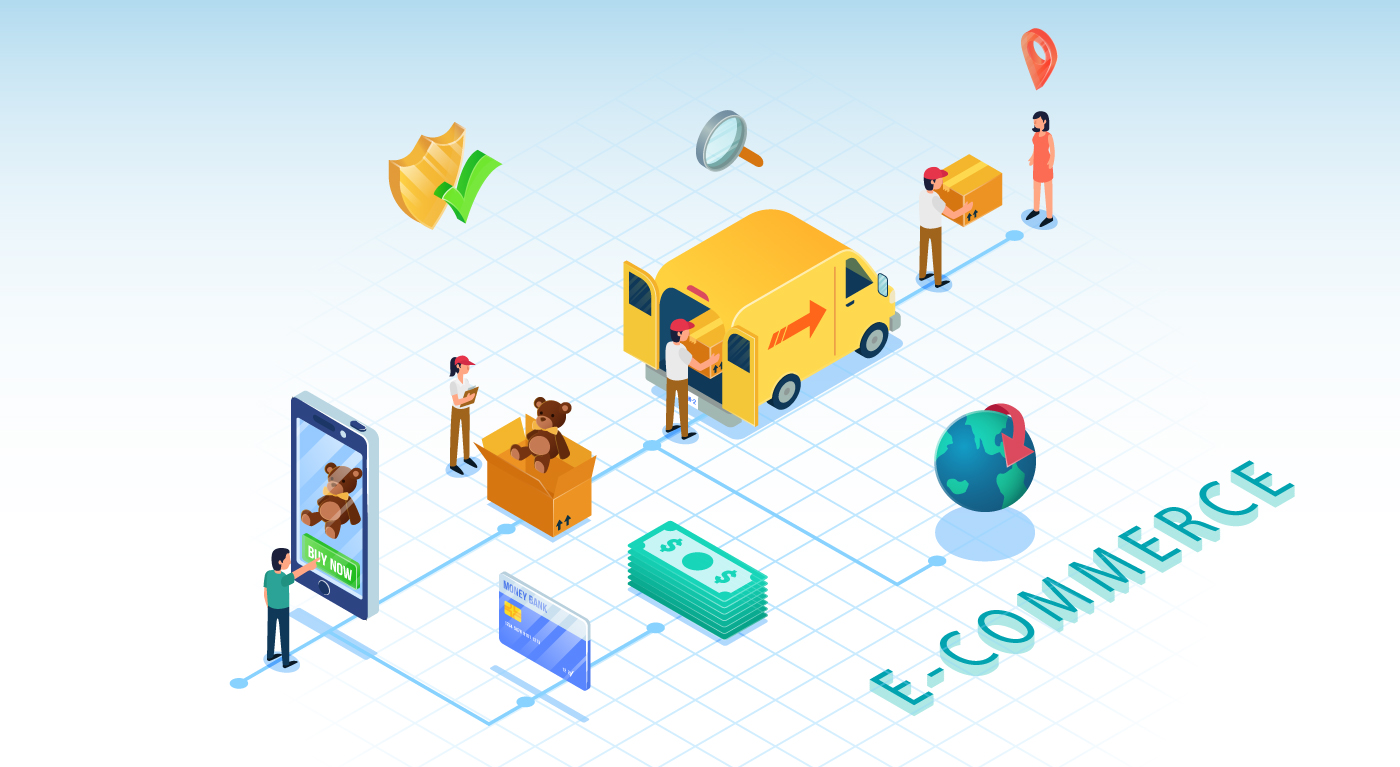
The process typically includes:
- Receiving inventory from suppliers
- Storing products in fulfillment centers
- Processing customer orders
- Picking and packing items
- Shipping orders through delivery partners
- Handling returns and exchanges
How Fulfillment for E-commerce Improves Delivery Speed
One of the most significant advantages of Fulfillment for e-commerce is the dramatic improvement in delivery speed. In the modern e-commerce landscape, speed is not just an advantage—it is an expectation.
Strategic Warehouse Locations
Fulfillment providers often operate multiple warehouses in different regions. This allows products to be stored closer to customers. When an order is placed, the nearest fulfillment center processes it, reducing shipping distance and delivery time. Fulfillment for e-commerce systems are designed specifically to optimize geographic distribution.
Automated Order Processing
Automation is a core component of Fulfillment for e-commerce. Once a customer places an order, the system automatically sends it to the nearest warehouse. This eliminates manual processing delays and ensures orders are handled instantly.
Efficient Shipping Partnerships
Fulfillment companies work closely with major courier services. These partnerships allow faster pickup, priority handling, and optimized shipping routes. As a result, Fulfillment for e-commerce significantly reduces last-mile delivery time.
Real-Time Inventory Management
With advanced tracking systems, businesses always know what is in stock and where it is located. This prevents delays caused by inventory shortages or mismanagement. Fulfillment for e-commerce ensures smooth order flow from warehouse to customer.
How Fulfillment for E-commerce Enhances Customer Satisfaction
Customer satisfaction is the backbone of any successful online business. Fulfillment for e-commerce directly impacts how customers perceive a brand.
Faster and Reliable Deliveries
Customers today expect fast shipping. When orders arrive on time or earlier than expected, it builds trust and loyalty. Fulfillment for e-commerce helps businesses consistently meet these expectations.
Accurate Order Processing
Mistakes in order fulfillment can lead to dissatisfaction and returns. Fulfillment centers use barcode scanning, automated systems, and quality checks to ensure accuracy. This reduces errors and improves customer experience.
Better Tracking and Transparency
Customers want to know where their order is at all times. Fulfillment for e-commerce provides real-time tracking updates, allowing customers to monitor their shipments from dispatch to delivery.
Easy Returns and Refunds
A smooth return process is crucial for online shopping satisfaction. Fulfillment providers often handle returns efficiently, inspecting and restocking items quickly. This makes the buying experience more trustworthy and convenient.
How Fulfillment for E-commerce Supports Business Scalability
Scalability is one of the biggest challenges for growing online businesses. Fulfillment for e-commerce provides the infrastructure needed to scale without operational bottlenecks.
Handling Increased Order Volumes
As sales grow, managing higher order volumes becomes difficult. Fulfillment centers are designed to handle large-scale operations efficiently. Fulfillment for e-commerce allows businesses to grow without worrying about warehouse limitations.
Expanding Into New Markets
With multiple fulfillment centers, businesses can easily expand into new regions or countries. Products can be stored closer to new customer bases, reducing shipping costs and delivery times. This global reach is a major advantage of Fulfillment for e-commerce.
Reducing Operational Costs
Instead of investing in warehouses, staff, and logistics systems, businesses can outsource these functions. This reduces overhead costs and allows companies to invest more in growth strategies.
Flexible Inventory Management
Fulfillment services allow businesses to scale inventory up or down based on demand. Seasonal spikes, promotional campaigns, and market changes can be managed more effectively through Fulfillment for e-commerce systems.
Technology Behind Fulfillment for E-commerce
Modern fulfillment relies heavily on technology to ensure speed and accuracy. Fulfillment for e-commerce uses advanced tools such as:
- Warehouse Management Systems (WMS)
- Artificial intelligence for demand forecasting
- Robotics for picking and packing
- Real-time tracking dashboards
- Automated shipping label generation
These technologies work together to streamline operations and reduce human error, making Fulfillment for e-commerce more efficient than traditional logistics systems.
Challenges Solved by Fulfillment for E-commerce
Many online businesses face logistical challenges such as delayed shipments, inventory mismanagement, and high operational costs. Fulfillment for e-commerce helps solve these issues by centralizing and optimizing the entire supply chain.
It reduces the burden on business owners, allowing them to focus on scaling their brand instead of managing daily logistics operations.
The Future of Fulfillment for E-commerce
The future of online retail is deeply connected to innovation in logistics. Fulfillment for e-commerce is expected to become even more advanced with AI-driven automation, drone deliveries, and predictive inventory systems.
As customer expectations continue to rise, fulfillment services will play an even more critical role in ensuring fast, accurate, and cost-effective delivery solutions.
Conclusion
In the modern digital economy, Fulfillment for e-commerce is no longer optional—it is essential. It directly improves delivery speed, enhances customer satisfaction, and enables seamless business scalability.
By leveraging advanced logistics networks, automation, and real-time inventory systems, businesses can deliver better experiences to customers while expanding their operations efficiently. Ultimately, Fulfillment for e-commerce empowers online businesses to compete in a fast-paced, customer-driven marketplace.