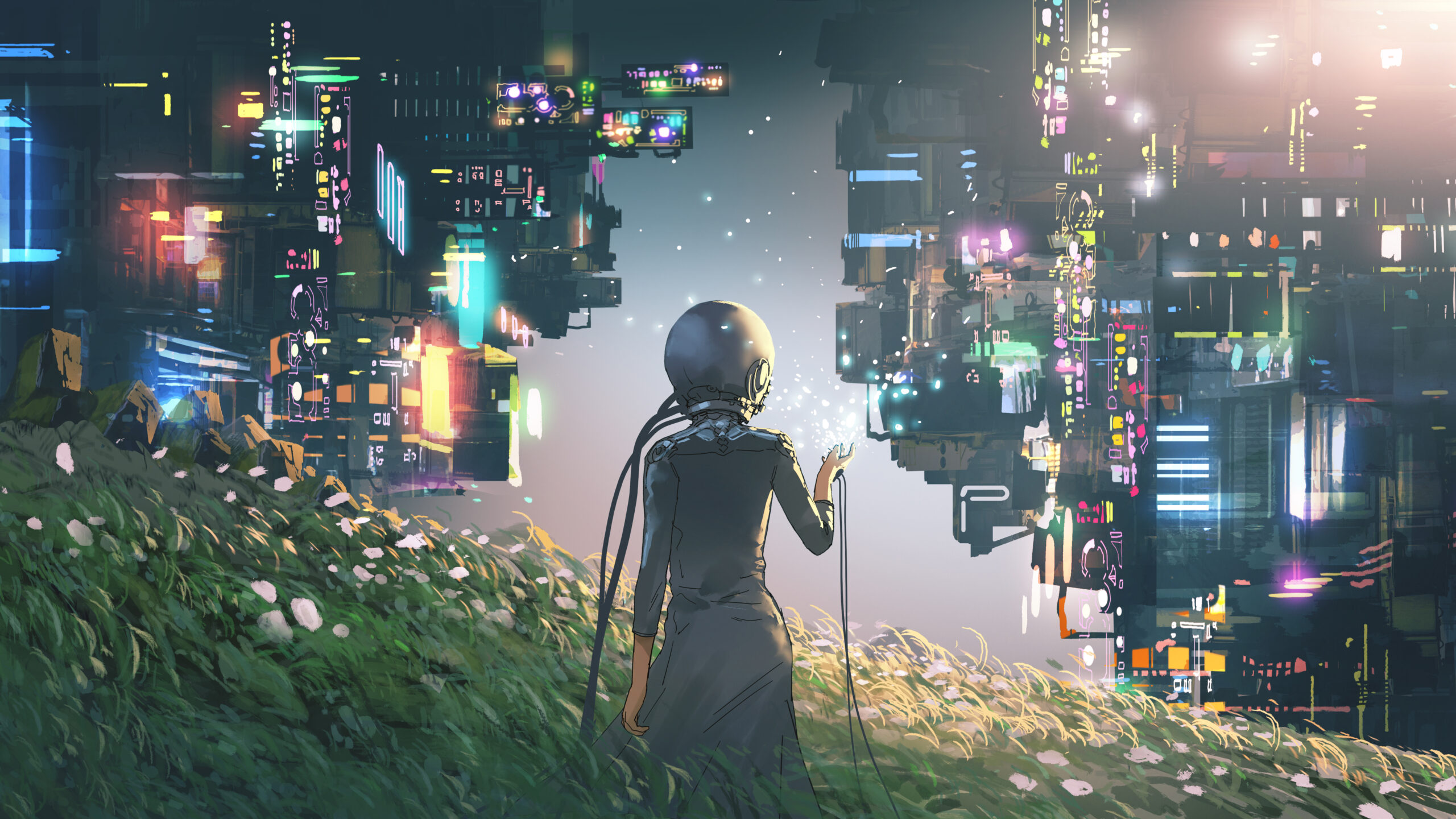
Science fiction has always invited readers to imagine possibilities beyond the present. From distant galaxies and advanced civilizations to artificial intelligence and futuristic cities, the genre has created some of the most memorable worlds in literature. However, modern technology is changing how audiences interact with these imagined realities. Instead of simply reading about a future world, readers can increasingly influence, explore, and participate in it. This evolution has given rise to interactive science fiction, a storytelling approach that blends traditional narrative with choices, digital experiences, multimedia elements, and reader participation.
Interactive storytelling is transforming the relationship between creators and audiences. Readers are no longer limited to following a predetermined path. Their decisions can affect characters, events, environments, and even the ultimate outcome of a story. As technology continues to develop, this approach could redefine what it means to experience a science fiction story.
From Passive Reading to Active Participation
Traditional books provide a structured experience. The author determines the plot, controls the characters, and decides how the story progresses. Readers interpret the events through their imagination, but the basic sequence remains fixed.
Interactive science fiction introduces another layer of engagement by allowing readers to become participants. A story might present several possible decisions and allow the reader to determine what happens next. Choosing whether a character trusts an artificial intelligence system, escapes from a futuristic city, or joins a rebellion can lead to completely different experiences.
This sense of participation makes the reader feel personally connected to the story. Instead of watching events unfold from the outside, readers can feel that their choices matter within the fictional world.
Creating More Immersive Future Worlds
One of the greatest strengths of science fiction is world-building. Authors can create planets, technologies, societies, and civilizations that are completely different from everyday life. Interactive formats can make these environments even more immersive.
Digital stories can combine written passages with visual environments, sound effects, animations, maps, and interactive objects. A futuristic city may not simply be described through paragraphs. Readers might be able to explore its neighborhoods, examine technological devices, or discover hidden information about its citizens.
These features create a stronger sense of presence. Readers are encouraged to explore the world rather than simply imagine it from a description.
Personalized Storytelling Experiences
Another important development is personalization. In a traditional story, every reader receives essentially the same narrative. Interactive science fiction can provide different experiences depending on individual decisions.
Two people may begin with the same characters and setting but make different choices throughout the story. One reader might create a peaceful ending, while another might experience conflict, betrayal, or discovery.
This flexibility makes stories feel more personal. Readers can also revisit the same narrative and make different choices to discover new characters, locations, or endings. As a result, a single science fiction story can provide multiple experiences instead of only one.
The Growing Role of Technology
Technology is an important factor behind the development of interactive storytelling. Smartphones, tablets, computers, gaming platforms, virtual reality, and artificial intelligence have created new opportunities for writers and developers.
Artificial intelligence can potentially adapt narratives based on a reader’s choices and behavior. A story could introduce different challenges depending on how someone interacts with its characters. Virtual and augmented reality can go even further by placing readers directly inside futuristic environments.
These technologies allow creators to experiment with forms of storytelling that would be difficult or impossible within the boundaries of conventional books.
Blending Literature With Other Media
Interactive science fiction is also breaking down the traditional boundaries between books, games, film, and digital media. A single story can combine elements from all these formats.
A reader might begin with a written narrative, explore a digital map, watch an animated sequence, solve a puzzle, and then return to the main storyline. Instead of separating literature from other forms of entertainment, interactive storytelling brings them together.
This hybrid approach can attract audiences who enjoy both reading and digital experiences. It also gives writers new creative tools for presenting complex futuristic concepts.
Making Readers Think About the Future
Science fiction is often more than entertainment. It explores questions about technology, society, ethics, identity, and human behavior. Interactive formats can make these questions more powerful because readers may have to make difficult decisions themselves.
For example, a story might ask whether an advanced artificial intelligence should be given control over a city’s infrastructure. Another scenario might involve choosing between individual freedom and collective security.
When readers make these decisions, they are not simply observing an ethical debate. They are actively participating in it. The consequences of their choices can encourage deeper reflection about how similar technologies might affect the real world.
Challenges of Interactive Storytelling
Despite its potential, interactive science fiction also presents challenges. Creating branching narratives requires significant planning because authors may need to develop numerous possible story paths.
There is also a risk that excessive interactivity can distract from the quality of the writing. If choices exist only to create the appearance of participation, readers may not find them meaningful. Successful interactive stories need both engaging mechanics and strong characters.
Accessibility is another consideration. Not every reader has access to advanced devices, virtual reality equipment, or high-performance computers. Creators must therefore consider how to make interactive experiences available to broader audiences.
The Future of Reading Science Fiction
As digital technology continues to evolve, the distinction between reading and experiencing a story may become less obvious. Future science fiction could allow audiences to enter expansive fictional worlds, communicate with virtual characters, influence developing narratives, and explore environments in real time.
Readers may eventually expect stories to respond dynamically to their decisions. Instead of purchasing one fixed narrative, they could enter an evolving fictional universe that changes as they interact with it.
This does not mean traditional books will disappear. Printed and conventional digital books remain powerful because they offer focused storytelling and encourage readers to build worlds through imagination. Interactive formats are more likely to exist alongside traditional literature, giving audiences more choices in how they experience stories.
A New Era for Science Fiction Readers
The rise of interactive science fiction represents a significant change in the relationship between storytelling and audiences. By combining narrative, technology, exploration, and personal choice, it transforms readers from passive observers into active participants.
Future worlds can now become spaces that audiences explore rather than simply imagine. Characters can respond to decisions, environments can reveal hidden details, and stories can develop in different directions depending on individual choices.
As technology becomes more sophisticated, these experiences are likely to become increasingly immersive and personalized. Yet the foundation will remain the same: compelling characters, meaningful ideas, and imaginative worlds.
Ultimately, interactive science fiction is not replacing the traditional reading experience. Instead, it is expanding what storytelling can be. By giving readers greater control and deeper opportunities for exploration, it is opening the door to a new generation of future worlds—ones that are not only read, but actively experienced.