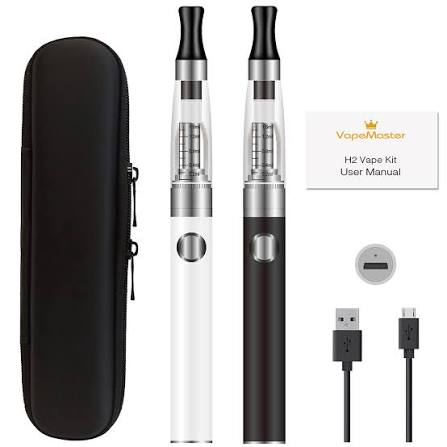
An E Cigarette Starter Kit is often designed for adults who want to understand electronic vaping devices and their basic features. These kits typically bring together several essential components in one package, making it easier to learn how different parts work together. Whether someone is researching vaping technology or comparing available device designs, understanding the features of a starter kit can help them make informed decisions.
Electronic cigarettes have developed significantly over the years. Modern devices come in different shapes, sizes, and configurations, with manufacturers focusing on convenience, battery performance, and user-friendly designs. However, it is important to understand that vaping is not risk-free, particularly for people who do not already use nicotine products.
1. Understanding What an E Cigarette Starter Kit Includes
An E Cigarette Starter Kit generally contains the main components required to operate a compatible electronic cigarette. Although the exact contents vary between manufacturers and models, most kits are designed around a few common elements.
These components may include a rechargeable battery, a compatible pod or tank, a charging cable, and an instruction manual. Some products also include replacement coils or other accessories.
Each component has a specific function. The battery supplies electrical power, while the pod or tank holds the vaping liquid. The heating element warms the liquid to produce an aerosol that the user inhales.
Understanding these components is important because different devices have different operating requirements and maintenance needs.
2. Different Types of Electronic Cigarette Starter Kits
The electronic cigarette market includes several device categories. Each design has different characteristics, sizes, and operating features.
Pod-Based Devices
Pod-based electronic cigarettes are generally compact and have a simple design. They use small cartridges or refillable pods that connect to the main device. Their portable construction makes them easy to carry.
Some pod systems have replaceable cartridges, while others allow users to refill compatible pods according to manufacturer instructions.
Vape Pen Designs
Vape pens usually have a slim, cylindrical shape. They may include a rechargeable battery and a compatible tank or cartridge. Their straightforward appearance makes them recognizable among different electronic cigarette designs.
Box-Style Devices
Box-style vaping devices generally have a larger body and may offer additional settings. Depending on the model, these devices can include adjustable power controls, display screens, and replaceable components.
Each design has different technical characteristics, so understanding the product specifications is important when comparing devices.
3. Important Features to Understand
Before researching any E Cigarette Starter Kit, it is useful to understand the features commonly mentioned in product descriptions.
Battery Capacity: Battery capacity is usually measured in milliampere-hours (mAh). It provides information about the battery’s energy storage capacity, although actual operating time depends on several factors.
Charging Options: Different devices may support different charging connections. Manufacturers generally provide information about compatible charging equipment and recommended charging practices.
Device Construction: Materials, dimensions, and overall construction can influence portability and durability.
Pod or Tank Compatibility: Some devices work only with specific cartridges or tanks. Checking compatibility information helps users understand the product’s design.
Safety Features: Certain electronic devices include protections against overheating, short circuits, and overcharging. Available protections differ between models.
These specifications provide useful information about how a device is constructed and what features it offers.
4. Why Product Quality and Manufacturing Standards Matter
Product quality is an important consideration when researching electronic cigarette devices. Poorly manufactured electrical products may create unnecessary safety risks, especially when batteries and heating elements are involved.
Responsible manufacturers provide product documentation, clear operating instructions, and information about electrical safety. They should also explain which accessories and charging equipment are compatible with their devices.
Consumers should avoid products with unclear specifications, missing safety information, or questionable manufacturing backgrounds.
Checking product authenticity is another important consideration. Counterfeit electronic devices may not meet the same manufacturing and safety standards as genuine products.
5. Understanding E-Liquid and Its Ingredients
Many electronic cigarette devices are designed to work with specially formulated liquids. These products are commonly known as e-liquids or vape juices.
E-liquids may contain several ingredients, including propylene glycol (PG), vegetable glycerin (VG), flavouring substances, and sometimes nicotine.
Propylene glycol and vegetable glycerin are commonly used as liquid carriers. Their proportions can influence the liquid’s physical characteristics and aerosol production.
Nicotine is an addictive substance. Its presence and concentration vary between products, and nicotine exposure can lead to dependence.
It is also important to understand that flavourings and other ingredients considered suitable for certain uses are not necessarily safe to inhale. Heating e-liquids can produce additional chemicals, some of which may be harmful.
6. Battery Safety and Proper Device Handling
Battery safety deserves particular attention when discussing electronic cigarette products. Most rechargeable devices use lithium-based batteries, which require appropriate handling.
Damaged batteries, unsuitable chargers, and exposure to excessive heat can create serious hazards.
Basic safety considerations include:
- Follow the manufacturer’s charging instructions.
- Avoid using devices with damaged batteries or charging connections.
- Keep electronic devices away from excessive heat and direct sunlight.
- Never ignore signs of battery swelling or unusual overheating.
- Use only compatible charging accessories.
- Keep devices and e-liquids away from children and pets.
If a device becomes unusually hot, damaged, or begins behaving unexpectedly, discontinue use and follow the manufacturer’s safety guidance.
7. Common Misunderstandings About Electronic Cigarettes
There are several misconceptions surrounding electronic cigarettes. Understanding the facts can help readers make more informed decisions.
One common misunderstanding is that vaping produces harmless water vapour. In reality, electronic cigarettes produce an aerosol that may contain nicotine, fine particles, flavouring chemicals, and other potentially harmful substances.
Another misconception is that every electronic cigarette contains nicotine. Although some products are marketed as nicotine-free, product contents and labelling should not automatically be assumed to be accurate.
Some people also believe that smaller devices are automatically safer. However, device size does not determine the health risks associated with inhaling its aerosol.
Understanding these differences is essential when researching electronic cigarette technology.
8. Understanding the Health Risks
Although electronic cigarettes are sometimes marketed as alternatives to traditional tobacco products, they are not harmless.
Nicotine can affect brain development in adolescents and young adults. It can also increase dependence and produce unwanted effects such as an increased heart rate.
Vaping aerosols may contain substances associated with respiratory and cardiovascular concerns. Long-term health effects are still being studied, and the risks can vary depending on the product and its contents.
People who do not smoke or use nicotine should not start vaping. Pregnant individuals, young people, and people with existing health concerns should avoid nicotine vaping.
Adults who smoke and want to quit should consider evidence-based cessation support, including advice from qualified healthcare professionals.
9. How to Research Electronic Cigarette Products Responsibly
Finding reliable product information requires more than comparing prices or attractive designs. Readers should pay attention to manufacturer transparency, product documentation, and safety information.
Start by checking the manufacturer’s official specifications. Look for clear details about battery capacity, compatible accessories, materials, and operating requirements.
Independent product information can also help clarify technical terminology and identify differences between device categories.
Avoid relying entirely on promotional descriptions or unsupported claims. Marketing language does not replace reliable safety information or scientific evidence.
It is also important to check local laws and regulations because electronic cigarette sales, advertising, possession, and use may be restricted depending on the country or region.
10. The Future of Electronic Cigarette Technology
Electronic cigarette technology continues to develop as manufacturers explore different materials, battery systems, and device designs.
Modern product development increasingly involves compact construction, improved charging systems, and additional electronic monitoring features. Some manufacturers also focus on developing more consistent manufacturing processes and clearer product documentation.
However, technological improvements do not automatically make vaping safe. Better battery performance, updated designs, or additional controls cannot eliminate the potential health risks associated with inhaling electronic cigarette aerosols.
Consumers should evaluate new developments using reliable technical and health information rather than relying solely on advertising claims.
Conclusion
An E Cigarette Starter Kit is a term commonly used for electronic cigarette packages containing essential device components and accessories. Understanding different device types, battery specifications, product construction, and e-liquid ingredients provides useful background for anyone researching this category.
However, product convenience and modern technology should not overshadow important health and safety considerations. Electronic cigarettes are not risk-free, and nicotine can cause dependence. People who do not currently smoke should avoid starting vaping, while adults seeking to stop smoking should explore proven cessation methods with professional guidance.
Ultimately, accurate information, responsible research, and awareness of potential risks are essential when discussing electronic cigarette starter kits and the wider vaping industry.