A woman’s body experiences numerous physical and hormonal changes throughout life. From adolescence and pregnancy to motherhood, menopause, and aging, these transitions can significantly affect the spine and musculoskeletal system. Despite its essential role in overall health, spinal wellness is often overlooked until pain or mobility issues develop.
The spine is far more than a structural support system. It protects the spinal cord, enables movement, maintains posture, and serves as the body’s primary communication pathway between the brain and every organ, muscle, and tissue. When the spine functions properly, it helps the entire body perform more efficiently. Conversely, poor spinal health can contribute to chronic discomfort, limited mobility, headaches, fatigue, and reduced quality of life.
Understanding why spinal health matters can empower women to take proactive steps toward lifelong wellness. Whether you’re a young professional, an active mother, or enjoying retirement, prioritizing spinal care can provide lasting physical and emotional benefits.
Understanding the Spine’s Role
The human spine consists of 33 vertebrae separated by intervertebral discs that act as shock absorbers. These vertebrae support body weight while allowing flexibility for bending, twisting, and movement. Running through the center of the spine is the spinal cord, a vital part of the nervous system that transmits signals between the brain and the rest of the body.
Healthy spinal alignment allows nerves to function efficiently, muscles to work properly, and joints to move freely. Even minor imbalances can place unnecessary stress on muscles, ligaments, and joints, leading to discomfort and decreased physical performance.
Because women often experience unique physiological demands throughout life, maintaining spinal health becomes especially important.
Why Women Face Unique Spinal Challenges
Women encounter several factors that make spinal care particularly important.
Hormonal Changes
Hormonal fluctuations throughout the menstrual cycle, pregnancy, and menopause affect muscles, ligaments, and bone density. These changes can increase joint flexibility or contribute to stiffness and discomfort, placing additional stress on the spine.
Pregnancy
Pregnancy creates significant changes in posture and body mechanics. As the baby grows, the body’s center of gravity shifts forward, increasing pressure on the lower back. Weight gain, loosened ligaments, and altered posture commonly contribute to back pain during pregnancy.
Childcare Responsibilities
Lifting infants, carrying toddlers, pushing strollers, breastfeeding, and bending frequently can strain the neck, shoulders, and lower back. Repetitive movements without proper body mechanics often lead to muscle tension and spinal stress.
High-Heeled Footwear
Many women wear high heels regularly for work or fashion. High heels alter natural posture by shifting body weight forward, increasing pressure on the lower spine and affecting overall spinal alignment.
Osteoporosis Risk
Women are more likely than men to develop osteoporosis, especially after menopause. Reduced bone density weakens vertebrae, increasing the risk of spinal fractures and posture changes.
Suncoast Chiropractic and Rehab
Suncoast Chiropractic and Rehab provides comprehensive, patient-focused care aimed at relieving pain and restoring functional movement. Combining chiropractic adjustments with rehabilitative therapies, the clinic addresses conditions such as back pain, neck pain, sports injuries, and posture-related issues. With individualized treatment plans, Suncoast Chiropractic and Rehab supports recovery, improves mobility, and helps patients achieve long-term musculoskeletal health and an active, pain-free lifestyle.
Common Signs of Poor Spinal Health
Spinal problems don’t always begin with severe pain. Early warning signs may include:
- Frequent neck stiffness
- Persistent lower back pain
- Shoulder tension
- Headaches
- Tingling or numbness in the arms or legs
- Poor posture
- Limited flexibility
- Muscle fatigue
- Uneven shoulders or hips
- Difficulty sitting or standing for extended periods
Recognizing these symptoms early allows women to seek appropriate care before problems become more serious.
The Connection Between Spinal Health and Posture
Good posture is closely tied to spinal health. Modern lifestyles often involve prolonged sitting, computer work, smartphone use, and driving, all of which encourage poor posture.
Slouching places excessive pressure on spinal discs, strains muscles, and disrupts normal spinal curves. Over time, poor posture can contribute to:
- Chronic neck pain
- Upper back discomfort
- Rounded shoulders
- Reduced lung capacity
- Muscle imbalances
- Fatigue
- Increased risk of injury
Maintaining proper posture keeps the spine aligned, distributes body weight evenly, and reduces unnecessary stress on joints and muscles.
Spinal Health Supports Daily Activities
Women perform countless daily tasks that depend on a healthy spine. Cooking, cleaning, exercising, working, caring for children, gardening, shopping, and household responsibilities all require strength, flexibility, and mobility.
A healthy spine allows women to:
- Move comfortably
- Lift safely
- Maintain balance
- Walk efficiently
- Perform physical tasks with less fatigue
- Enjoy recreational activities
- Stay independent as they age
Without proper spinal support, even simple activities can become physically demanding.
The Relationship Between the Spine and the Nervous System
The spine houses and protects the spinal cord, one of the body’s most important structures. The nervous system controls every voluntary and involuntary function, including:
- Muscle movement
- Organ function
- Digestion
- Circulation
- Breathing
- Reflexes
- Coordination
When spinal joints move properly and surrounding tissues remain healthy, nerve communication is less likely to be disrupted. Supporting spinal health contributes to optimal nervous system function and overall well-being.
Exercise and Spinal Strength
Regular physical activity is one of the best ways to maintain spinal health. Strong muscles surrounding the spine provide stability, improve posture, and reduce injury risk.
Beneficial exercises include:
Core Strengthening
Strong abdominal and back muscles support the spine during everyday movements.
Walking
Walking improves circulation, strengthens supporting muscles, and promotes healthy spinal mobility.
Yoga
Yoga enhances flexibility, balance, posture, and body awareness while reducing muscle tension.
Swimming
Swimming provides low-impact exercise that strengthens muscles without placing excessive pressure on spinal joints.
Strength Training
Proper resistance training builds muscle, supports healthy bones, and improves posture.
Consistency is more important than intensity. Even moderate exercise several times a week can produce significant long-term benefits.
Nutrition and Bone Health
Healthy nutrition plays a vital role in spinal wellness.
Women should prioritize:
Calcium
Calcium supports strong bones and helps reduce osteoporosis risk.
Sources include:
- Milk
- Yogurt
- Cheese
- Leafy green vegetables
- Fortified foods
Vitamin D
Vitamin D helps the body absorb calcium effectively.
Sources include:
- Sunlight
- Fatty fish
- Eggs
- Fortified dairy products
Protein
Protein supports muscle repair and helps maintain spinal stability.
Magnesium
Magnesium contributes to muscle function and healthy bone structure.
Anti-inflammatory Foods
A diet rich in fruits, vegetables, whole grains, healthy fats, and lean proteins helps reduce inflammation that may contribute to musculoskeletal discomfort.
Stress Can Affect the Spine
Emotional stress often manifests physically. Many women carry tension in the neck, shoulders, and upper back.
Chronic stress can cause:
- Tight muscles
- Poor posture
- Headaches
- Jaw tension
- Reduced flexibility
- Increased pain sensitivity
Managing stress through exercise, meditation, quality sleep, stretching, and relaxation techniques helps protect spinal health while supporting overall wellness.
Chiropractic Care and Spinal Wellness
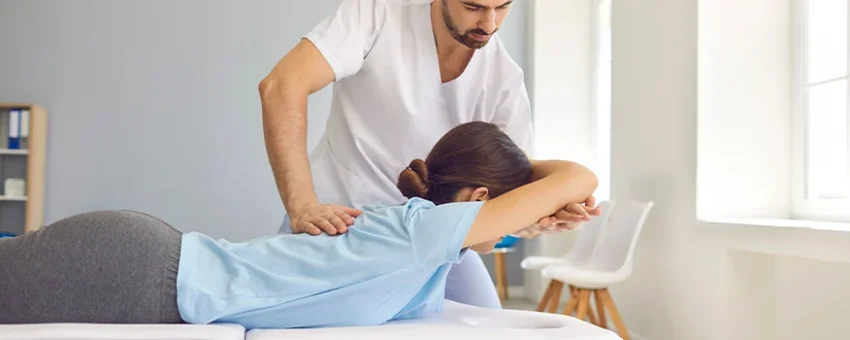
Many women include chiropractic care as part of their wellness routine. Chiropractors evaluate spinal alignment, posture, joint mobility, and movement patterns to help improve musculoskeletal function.
Potential benefits may include:
- Reduced joint stiffness
- Improved mobility
- Better posture
- Enhanced flexibility
- Relief from muscle tension
- Support for overall spinal function
Chiropractic care is often combined with exercise recommendations, posture education, stretching, and lifestyle modifications to promote long-term spinal health.
Women experiencing persistent pain, numbness, weakness, or symptoms following an injury should consult a qualified healthcare provider for a thorough evaluation.
Healthy Habits for a Strong Spine
Small daily habits can make a significant difference.
Lift Properly
Bend at the knees rather than the waist when lifting heavy objects.
Maintain Good Posture
Keep shoulders relaxed, head aligned over the spine, and feet flat while sitting.
Take Frequent Breaks
Avoid sitting for prolonged periods. Stand, stretch, and walk every 30 to 60 minutes.
Sleep Wisely
Use a supportive mattress and pillow that help maintain natural spinal alignment.
Wear Supportive Shoes
Limit prolonged use of high heels and choose footwear that provides adequate support.
Stay Hydrated
Intervertebral discs rely on hydration to maintain flexibility and cushioning.
Manage Weight
Maintaining a healthy body weight reduces pressure on spinal joints.
Aging Gracefully with a Healthy Spine
As women age, maintaining spinal health becomes increasingly important. Natural age-related changes include decreased muscle mass, reduced flexibility, and lower bone density.
Fortunately, many of these changes can be minimized through:
- Regular exercise
- Strength training
- Healthy nutrition
- Good posture
- Preventive healthcare
- Routine physical activity
An active lifestyle helps preserve mobility, balance, independence, and quality of life well into later years.
When to Seek Professional Care
Women should seek medical evaluation if they experience:
- Severe or persistent back pain
- Pain following an accident
- Numbness or weakness
- Loss of bladder or bowel control
- Difficulty walking
- Pain that radiates into the arms or legs
- Unexplained weight loss with back pain
- Fever accompanying spinal pain
Early diagnosis and treatment often lead to better outcomes and faster recovery.
Conclusion
Spinal health is a cornerstone of every woman’s overall well-being. A healthy spine supports movement, protects the nervous system, improves posture, enhances daily function, and contributes to long-term physical independence. Because women experience unique life stages—including pregnancy, caregiving responsibilities, hormonal changes, and aging—maintaining spinal wellness should be a lifelong priority.
Simple lifestyle habits such as regular exercise, proper nutrition, stress management, ergonomic practices, and maintaining good posture can significantly reduce the risk of spinal problems. For women experiencing ongoing discomfort or mobility issues, seeking guidance from qualified healthcare professionals, including chiropractors and physicians when appropriate, can provide personalized care and support.
Investing in spinal health today lays the foundation for a more active, comfortable, and fulfilling tomorrow. By caring for the spine throughout every stage of life, women can enjoy greater mobility, resilience, and overall wellness for years to come.